

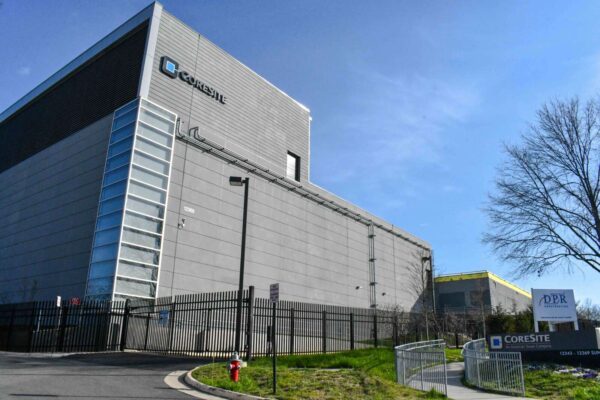
High-than-usual electric bills in Virginia this winter have prompted discussion about the role data centers could play in driving up costs.
Dominion Energy, the commonwealth’s largest electric utility company, has said that new rates in 2026 and unusually cold weather could be responsible for many customers’ higher bills.
Even so, some Virginia residents say their electricity costs seem unusually high, driving speculation about the cause — and concerns about factors that could cause further increases in the future.
In a Virginia Reddit discussion, one user said their latest bill was $343.38, more than double the $164.56 in the same billing period last year. The user acknowledged their 2,115 kilowatt hours usage was higher than the 1,238 kilowatt hours in last year’s bill.
“Nothing has changed in terms of adjusting the temperatures from last year to this year,” the user shared. “Same one person living in the house. Yes, of course January was a much colder month but don’t understand why did the usage increase so much — I did not make any changes to the thermostat.”
A Northern Virginia Reddit user, who reported a smaller increase $260 to $315, theorized that colder temperatures may have increased usage.
“They [Dominion Energy] list the average temp and it was 39.5 [degrees] last cycle to 29.5 this cycle, so the increase makes sense given how cold it was,” the user shared.
The Jan. 25 winter storm demonstrated how weather can drive up prices. Wholesale electricity prices in Dominion Energy’s Virginia coverage area jumped from $200 per megawatt-hour on Jan. 25 to $1,800 on Jan. 26 following the winter storm, CNBC reported.
But residents facing higher bills have also pointed fingers at data centers, which have been expanding in Virginia and use significant amounts of electricity. In an early February SCC filing, Dominion Energy reported data centers requested 70,000 megawatts daily for future locations, which is almost triple the nearly 25,000 megawatts peak Dominion reported for all electricity used during cold weather on Jan. 23.
Dominion implemented new rate increases this year after approval by Virginia’s State Corporation Commission. Dominion spokesperson Aisha Khan told ARLnow the change would increase bills by a monthly $11 to $13 per 1,000 kilowatt hours.
The utility company says cold weather factors can make bills even higher.
“Virginia experienced one of its coldest Decembers in more than a decade, followed by extended stretches of sub-freezing temperatures in January,” Khan said. “Heating typically accounts for about half of a home’s energy use. When temperatures drop significantly, heating systems run longer — even if thermostat settings stay the same — which increases overall energy usage and bills.”
In an “Ask a Professor” series, Georgetown University business professor Safak Yucel said electricity prices may rise during winter storms, as weather conditions may affect how utilities try to match supply with demand.
“First, some power plants may not be ‘weatherized,’ meaning that their operations may not continue under extreme cold or heat, adding strain to the generation side,” Yucel said. “Second, utility wires may be exposed to weather conditions and disrupted, basically cutting the transportation of electrons.”
Khan says Dominion Energy customers can use the company’s new savings and assistance hub with details on low-income and winter bill assistance programs, rebates, bill payment options and energy-saving strategies. The company says lowering the thermostat a degree or two, sealing drafts and switching to LED lighting can reduce winter energy use.
“We recognize that higher winter bills can be stressful,” Khan said. “Our focus remains on maintaining reliable service while continuing to prioritize affordability and expanding the tools available to help customers manage costs.”
Regardless of the cause of this winter’s electricity costs, critics of data centers have been pushing for new legislation to manage potential impacts on consumers.
In Northern Virginia, Dominion Energy has pursued power line expansions and new substations to meet the power needs of future data centers. A bill by Del. Josh Thomas (D-21) called for data centers to undergo an SCC review on grid reliability and impact to other electric ratepayers. That bill did not advance in the 2026 session.
Khan previously told WJLA that data centers pay for their electric costs and do not cause residential bills to increase. But there’s nothing in Virginia law that says utilities cannot pass on the costs of new infrastructure to all customers. A bill by Del. John McAuliff (D-30) to prevent utility companies from charging costs tied to data center demand to other customers was carried over to 2027.
Large energy users like data centers will face higher rates, but that won’t impact this year’s electric bills. The SCC approved a new rate class for large-scale energy users that will take effect in 2027. Certain large-scale users will also have to pay at least 85% of its distribution and transmission demand, and 60% of generation demand.
“This structure requires those customers to make significant upfront financial commitments and enter into long-term contracts that cover the infrastructure needed to serve them — even if their energy usage declines,” Khan said.
While data centers have contributed to local tax revenues, there has been growing momentum from lawmakers to recoup state revenue.
One of the state budget amendments sought by the Democrat-controlled Senate seeks to end a sales tax exemption for data centers on server equipment and software in 2027 rather than 2035. Senate Democrats estimate Virginia loses $1.6 billion in annual revenue due to data centers’ 5.3% sales tax exemption.
“For years, Virginia has been writing a blank check to some of the world’s most valuable corporations — a check that started at $1.54 million and has grown to $1.6 billion — while families struggle to pay for childcare, health insurance, and a place to live,” Senate President Pro Tempore Louise Lucas said in a statement.
The Senate budget amendments have to be reconciled with the House version, which doesn’t include ending the data center sales tax exemption.
