
Is your home starting to feel a little too cozy?
Summer is often the time when many Arlington homeowners start to notice their homes feeling cramped, whether you have school-aged kids still at home, your college student has moved back in for the summer, or you’re preparing to welcome aging parents for an extended stay.
While it’s too late to complete a major renovation this summer, it’s the perfect time to start planning so you can live more comfortably next year. Your Arlington lot may be small, and Arlington zoning ordinances are notoriously tricky to navigate, but your property likely has untapped potential. You can maximize your lot through a side or rear addition, popping the top, adding an accessory dwelling unit (ADU) or outdoor living space, and/or finishing an underutilized basement.
With thoughtful planning, you can create the space your family needs while staying in the community you love, even on a small lot.
The Golden Rule to Remodeling: Start With a Master Plan
Before jumping into any addition or major renovation, it’s important to understand what your property can support and how your family’s needs may evolve over time.
One of the first steps is reviewing your plat (survey) to understand your buildable area, as one of the unique home-construction challenges in Arlington is that a majority of homes were built before current setback requirements were enacted, which impacts the scope of many construction projects. Setback requirements refer to the distance by which a home must be “set back” from the front, side, and rear property lines.
A word of caution: If your builder isn’t deeply familiar with Arlington’s setback rules and the available legal workarounds, your project can be derailed before it even starts.
As part of the strategic planning process, make sure you evaluate your long-term goals and create a master plan that accounts for all the spaces you intend to renovate. For example, renovating a basement without considering future plumbing, electrical, or HVAC needs can lead to unnecessary rework later.
And if you are undertaking a significant addition project, we generally recommend including a basement foundation, as it is not feasible to add one after initial construction is complete. Even if you choose to finish the basement later, it remains a more cost-effective way to add square footage than other areas of the house.
A thoughtful, whole-home approach helps create a smoother renovation process and a home that continues to meet your needs over time. Additionally, consider if you plan to live in your home late in your life – something we call aging in place. If so, knowing that is your long-term goal will influence your renovation project.
1. Expand Your Footprint With a Rear or Side Addition
For many Arlington homeowners, a rear or side addition is the most straightforward way to gain usable square footage, as long as their plat allows for it. By adding square footage to your home, you can make space for a larger kitchen and family room, add a mudroom as your dedicated “drop zone” for all your kids’ sports equipment, and even add a main-level guest suite. Rear and side additions can be single or multi-story, even if you don’t pop the top on the existing structure.
One key consideration for a home addition in Arlington County, however, is understanding how the Department of Environmental Services calculates whether you are over or under 2,500 square feet of disturbed area. If your project clears, digs up, or grades more than 2,500 square feet of land, per their definition, you’ll be required to pay for extra county permits, civil engineering plans, and potentially expensive drainage systems to handle rainwater runoff.
2. Build Up With a Pop-Top Addition
When your lot coverage is limited by setback requirements, the only way to go is up!
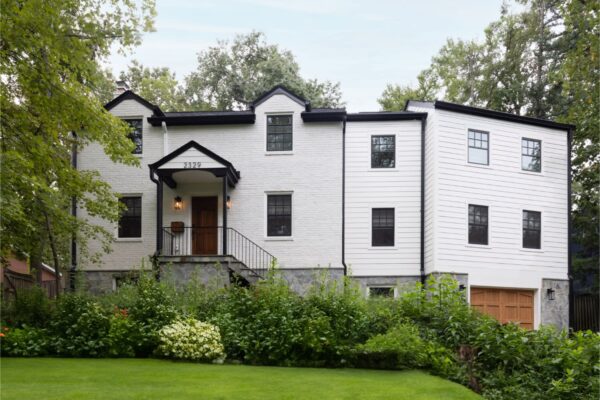
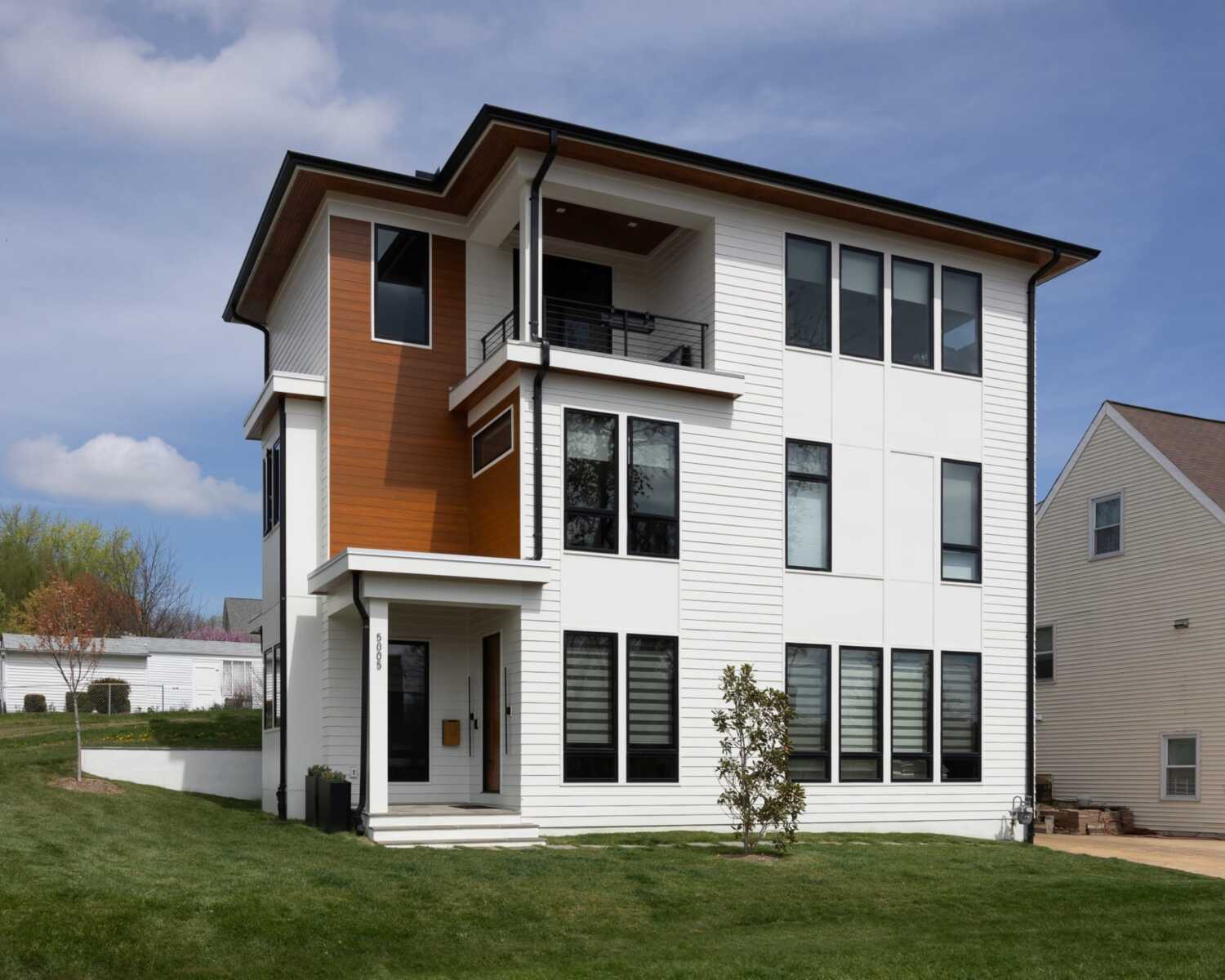
We recently transformed an outdated 1,300-square-foot rental property in Highview Park into a spacious, modern home for a young family. Adhering to zoning guidelines required preserving the existing foundation, so we took the three-bedroom, two-bathroom home down to its foundation, expanded it slightly on the left side, and built up! The result is an essentially brand-new four-bedroom, three-and-a-half bath custom home that boasts 2,916 square feet across three floors.
3. Transform Unused Attic Space with Dormers
Adding square footage doesn’t always mean adding to your home’s footprint. If you have a limited budget, adding a front or rear dormer might be able to provide the additional space you need.
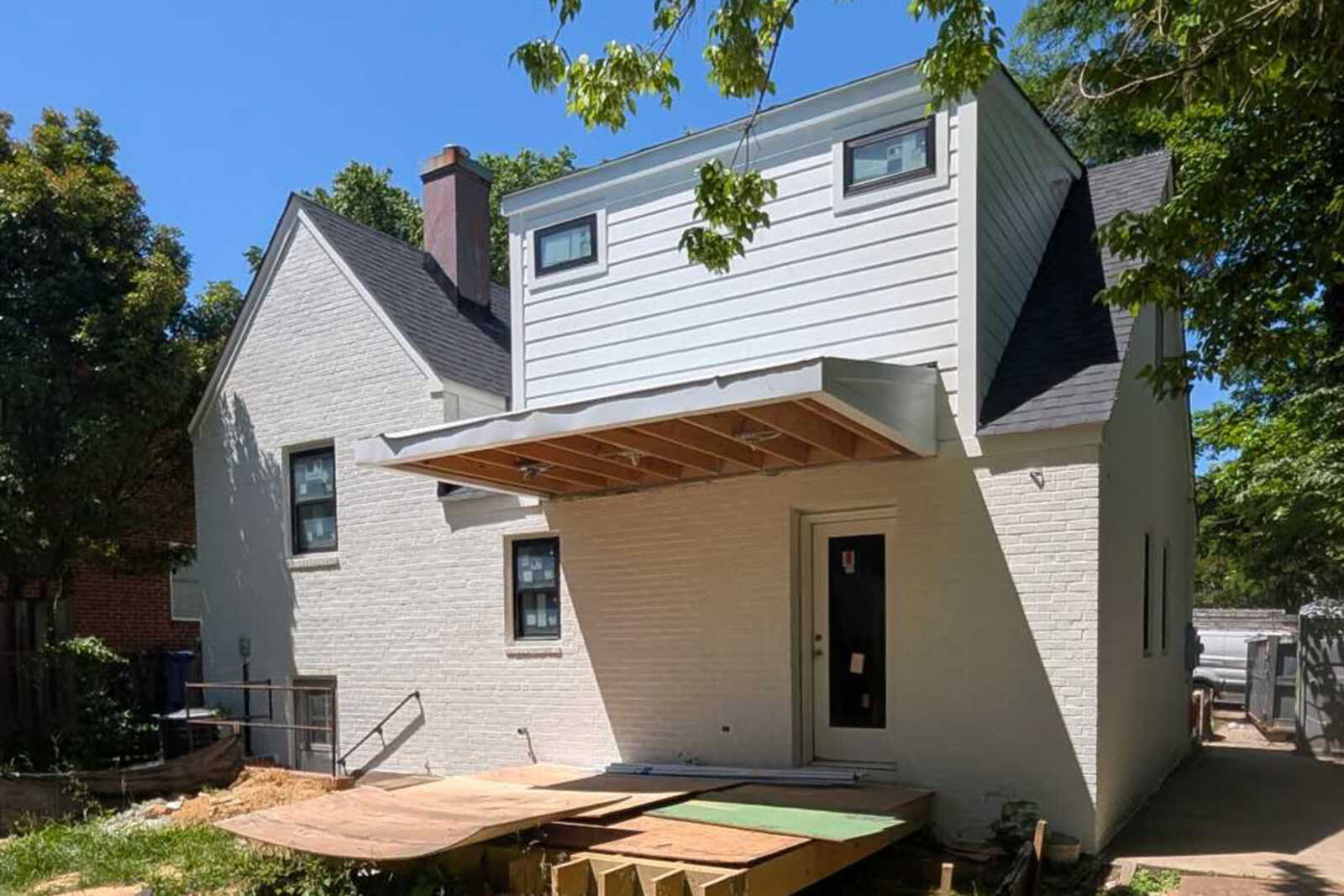
For one of our current projects, a full teardown and rebuild wasn’t in the budget, so the architect worked within the home’s current footprint. By creatively adding dormers, we converted unused attic space into a primary suite, adding an additional 500 square feet of living space.
4. Add Flexibility With an ADU
Accessory Dwelling Units (ADUs) are becoming an increasingly popular way to maximize the use of small Arlington lots. These units, while limited to the size of a two-car garage (560 square feet), have become a smart way to add living space for guests, aging parents, adult children, or renters.
However, not every property can accommodate an ADU. Setbacks, lot size, and existing zoning all determine what’s possible. For instance, on interior lots, the ADU must maintain at least 5-foot rear and side-yard setbacks, and the nearest wall cannot be located within 25 feet of a street.
5. Create Indoor-Outdoor Living Spaces
You don’t always need to add fully conditioned, drywalled square footage to make your home feel or function larger. Outdoor living spaces offer another way to add usable living and entertaining space, as long as they work within your lot coverage limits.
The always-popular three-season screened-in porches are designed to fit perfectly with your home’s architecture and provide an ideal spot for entertaining family and friends, or simply starting your day with a cozy cup of coffee, all while staying protected from bugs and inclement weather. Porches don’t just have to connect to your main living spaces. One of our homeowners recently requested a private balcony off the primary suite, creating a peaceful retreat.
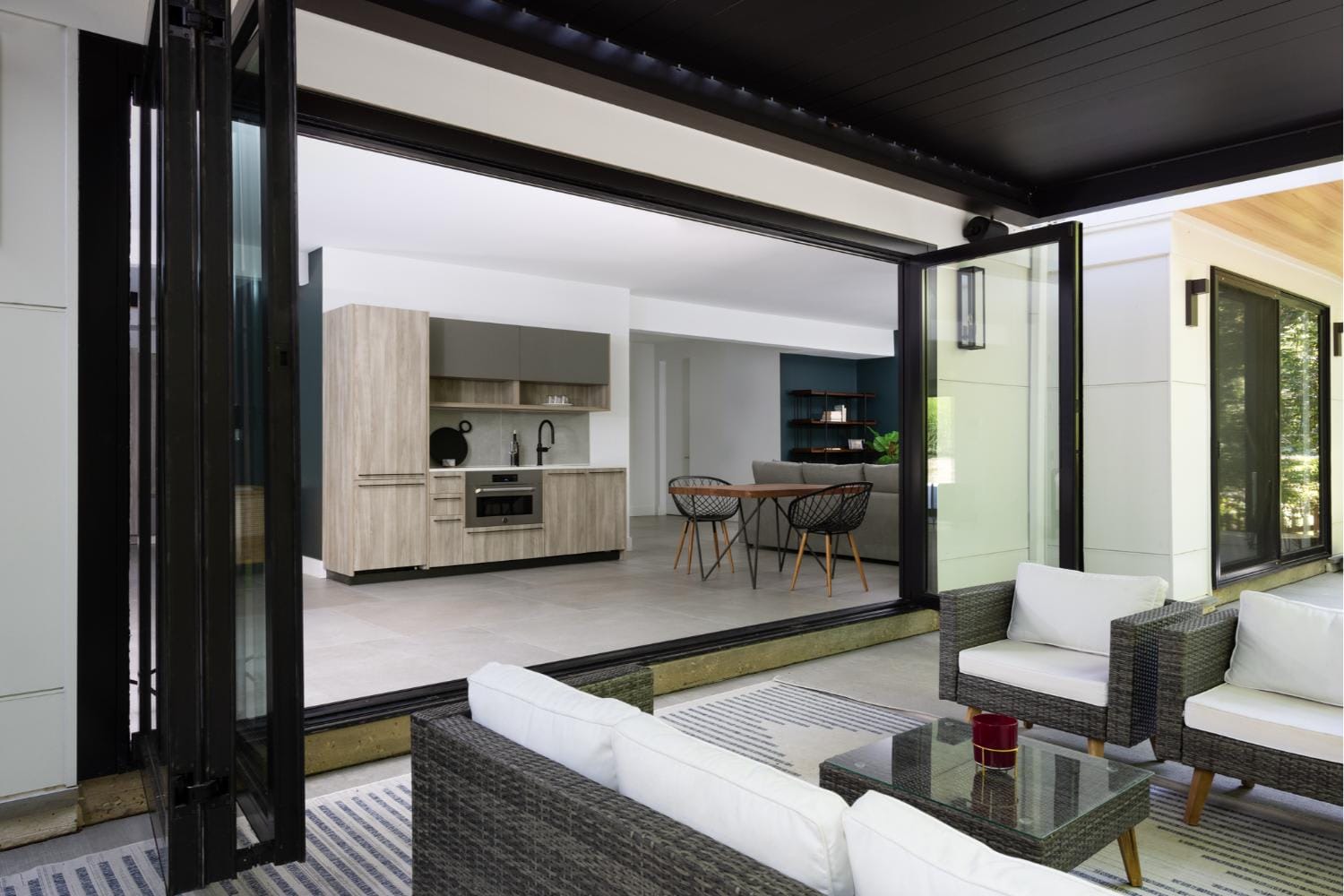
We’re also seeing an increased demand for covered outdoor living spaces with retractable screens for year-round use. Adding folding glass walls to these spaces maximizes light while offering a seamless flow from the indoor space to the outdoors.
6. Unlock Hidden Space With a Basement Remodel
Many Arlington homes have significant untapped potential below grade. A finished basement space is incredibly versatile, whether you are looking for a guest suite, children’s playroom, home theater, or even a home gym.
The tricky part with Arlington homes is that, as is indicative of most homes built in the early 1900s, they probably did not start out with an actual basement but a cellar or a crawl space. Over time, previous owners might have tried to dig it out and make it more functional, but the space might not meet current building codes, requiring careful planning and potentially costly modifications.
Ready to Explore Your Lot’s Potential?
Maximizing your Arlington lot isn’t about adding as much square footage as possible. It’s about creating the right spaces for the way your family lives today and how it may change tomorrow.
The right solution starts with a plan that balances your priorities, budget, and property’s potential.
Wondering what your Arlington lot can support? Schedule a free consultation to explore your options.