
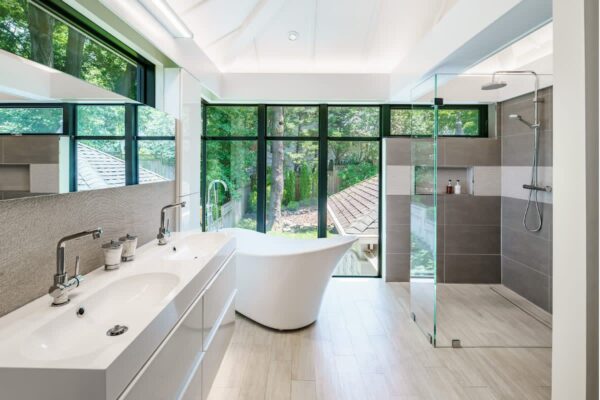
With local housing inventory remaining tight and interest rates double what they were during the pandemic, many Arlington homeowners are coming to the same conclusion:
Turning the home you already own into your forever home is more practical than moving.
Remodeling for long-term versatility, also known as “future-proofing,” has quickly become one of the smartest investments Arlington homeowners can make. This Colonial addition in Madison Manor and this traditional home addition in Waycroft – Woodlawn are just two examples of this trend.
Rather than focusing purely on cosmetic upgrades, future-proofing encompasses structural adaptability, high-performance energy-efficient design, and long-term accessibility so your home evolves as your family’s needs change.
If you are considering a home remodel, here are four key ways to future-proof your investment:
1. Start with a Master Plan: Top Down, Outside In
Before you start tearing down walls, working with your remodeler in Arlington to develop a master plan is critical to ensure a renovation that will stand the test of time.
- Anticipate Interconnected Systems: Resist the temptation to focus first on fancy finishes or a lower-level remodel when you know you need to expand or do work upstairs in the future. A general rule of thumb is to look at your home from the top down and the outside in. For example, renovating a basement first without proper planning can easily lead to costly, redundant work if you need to access plumbing, electrical, or HVAC systems for an upper-level project later. Prioritizing your home’s structural core and upper-level envelope first ensures that your layout remains adaptable to your changing needs.
2. Build a Robust Tech and Electrical Foundation
From whole-home lighting systems that adapt to your circadian rhythm to kitchen appliances you can control from your smartphone, smart-home technology is becoming the norm. Proper planning ensures your home can easily accommodate new technologies as they emerge.
- Upgraded Service & Smart Panels: Leave space for future panel upgrades (or upgrade to 400-amp service to start). Install a smart electrical panel for real-time, circuit-level power control.
- Electric Car Charger Wiring: Run dedicated wiring or conduit for Level 2 EV chargers while the walls are open to prevent drywall repairs down the road.
- Conduits for Solar, Batteries, & Generators: Run empty conduits to the roof and main electrical lines so you can seamlessly add solar panels or a generator down the road.
- Data & Connectivity Infrastructure: Hardwire data lines to key locations, ensure whole-home Wi-Fi coverage, and install empty conduits for future satellite technology (such as Starlink) to support seamless smart home technology, streaming, and/or remote work.
- Smart Lighting & Motorized Shades: Pre-wire for motorized shades, drapes, and smart lighting controls to avoid costly retrofitting later.
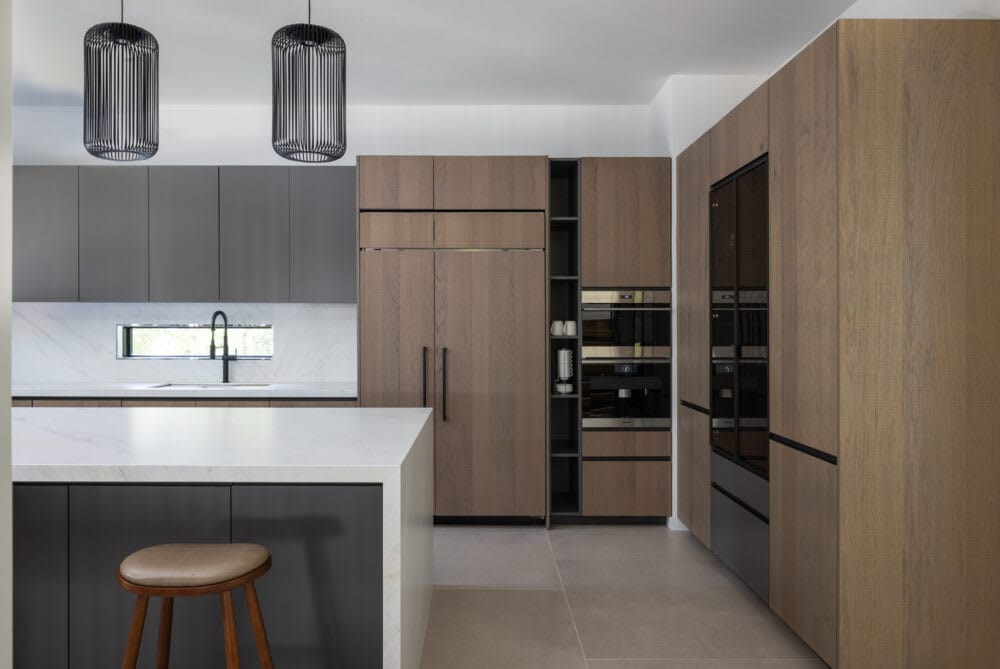
3. Design for Aging-in-Place and Multi-Generational Living
A home built for the future should comfortably accommodate changing physical needs and dynamic family setups.
- Main-Level Living & Flexible Layouts: Design main-floor rooms that serve multiple purposes (such as an office today that transitions into a main-floor primary bedroom later).
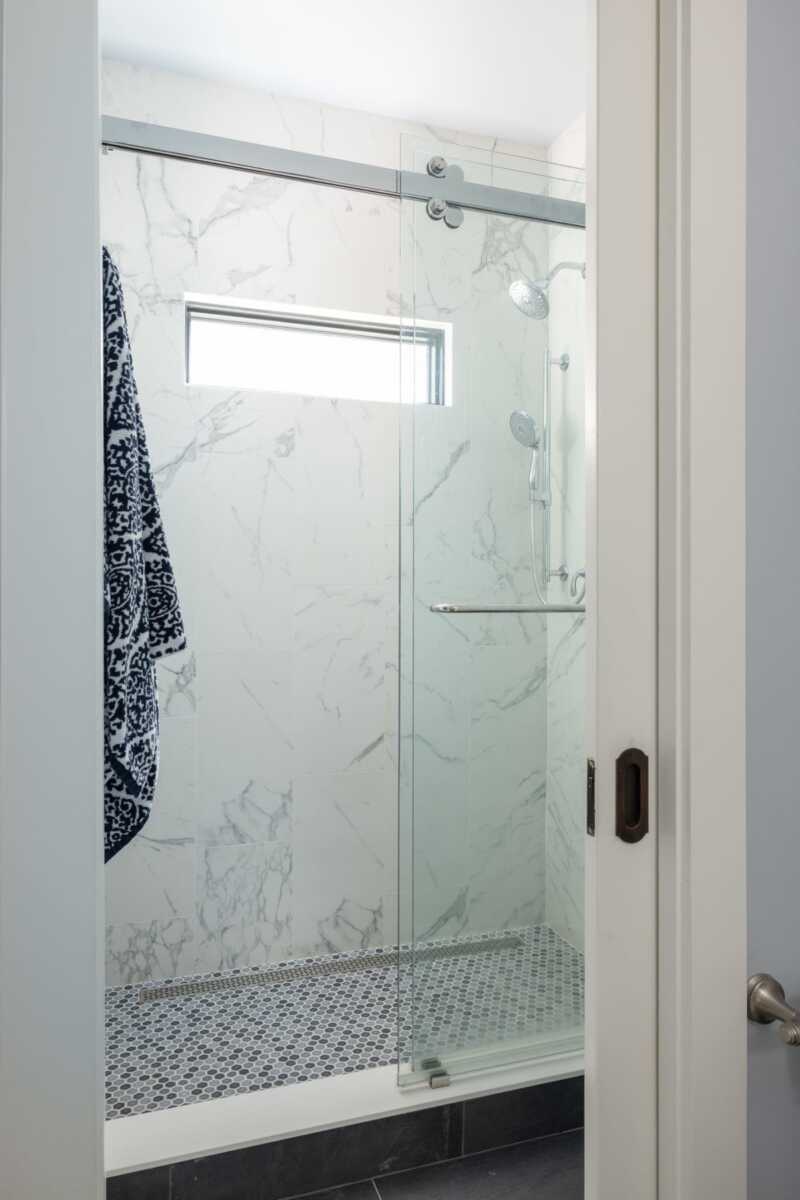
- Universal Bathroom Features: Incorporate curbless zero-threshold showers, wider doorways, and pre-blocking behind drywall for future grab-bar installations.
- Elevator-Ready Shafts: Stack walk-in closets on each floor to create an invisible structural pathway for adding an elevator later.
- Future Basement Space: Design basement layouts with rough-in valves for a potential full kitchenette and washer/dryer, creating a turnkey option for aging parents or boomerang adult children.
4. Optimize for Energy Efficiency & Climate Resilience
Investing in high-performance building materials reduces long-term maintenance, lowers utility bills, and protects indoor air quality.
- High-Performance Windows & Insulation: Rather than selecting standard vinyl windows, opt for high-quality composite or metal-clad windows (or smart glass technology) paired with spray-foam insulation to stabilize indoor temperatures year-round.
- Durable Building Envelope: Use fiber-cement siding, brick masonry, and high-durability roofing to withstand Mid-Atlantic weather.
- Multi-Zone HVAC & Filtration: Pair multi-zone heating/cooling with smart thermostats and high-performance filtration to manage regional humidity and seasonal allergens.
- Radiant Heated Floors: Add in-floor radiant heating in primary bathrooms and basements for efficient warmth during Northern Virginia winters.
- Acoustic Comfort: Add soundproofing insulation between floors and interior walls for quiet work-from-home spaces and restful bedrooms.
Partner with a Remodeler in Arlington Who Thinks Ahead
Future-proofing isn’t just about adding features — it’s about intentional, forward-thinking planning from the outset of your home remodel. Working with an experienced remodeler in Arlington ensures these elements are seamlessly integrated into your home’s architectural design and budget.
At Alair Homes Arlington, we guide homeowners through every decision with total transparency. Through our unique Client Control® system, you retain complete oversight of every detail, budget item, and material choice before construction ever begins.
Planning a remodel? Schedule a consultation and learn how you can future-proof your investment today.