Kaiser Permanente serves 12.9 million members in nine states and the District of Columbia. Care for members and patients is focused on their total health and guided by their personal Permanente Medical Group physicians, specialists, and team of caregivers. In the Mid-Atlantic region, Kaiser Permanente provides care at 34 medical centers located in Maryland, Washington, DC, and Virginia. With 1,800 physicians in more than 65 specialties, the Mid-Atlantic Permanente Medical Group, which provides care exclusively to Kaiser Permanente members, is the largest integrated multispecialty medical group in the region.
Open enrollment is here. Know what to consider when choosing a health plan.
Open enrollment is here, and many people are comparing health insurance options for the coming year.
Cost matters. So do premiums, deductibles, and physician networks. But one question is just as important: How easy will it be to get the right care, when and where you need it?
Health care can feel unnecessarily complicated when appointments, lab work, imaging, prescriptions and specialists are spread across different locations and systems. That can leave patients coordinating care, repeating their medical history and tracking down what is covered.
The Challenges of Traditional Health Care
In traditional health care, insurance is often separate from the doctors, specialists, pharmacists and other clinicians who deliver care. That separation can put patients in the middle: making appointments, requesting records, scheduling follow-ups and confirming coverage.
Kaiser Permanente takes a different approach by connecting care and coverage within one system, so the experience is designed to work together from the start.
A Connected Health Care System
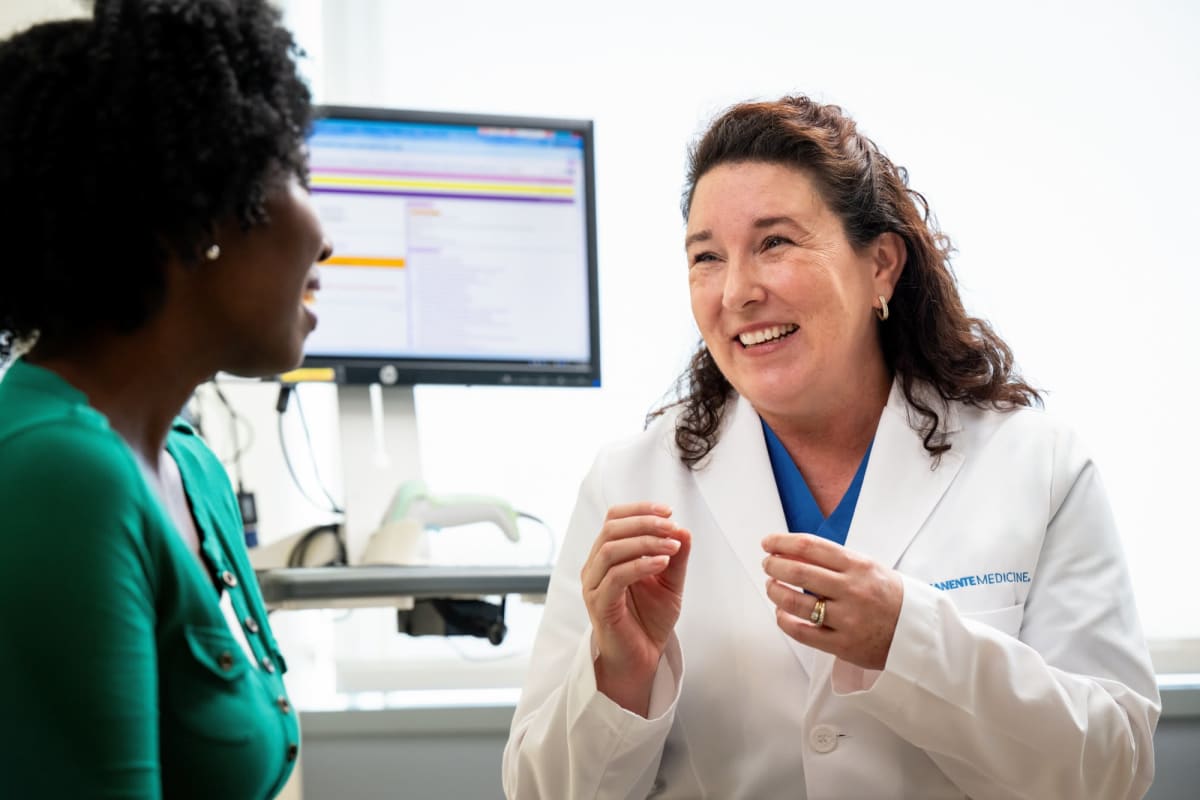
At Kaiser Permanente, doctors, specialists, pharmacists and care teams use one, shared electronic health records to provide coordinated, convenient and personalized care. That means everyone involved in a member’s care can work from the same information.
For busy Northern Virginia families balancing work, school, commuting and community responsibilities, that connection can make care easier to manage and more convenient.
What Integrated Care Looks Like
Consider a member who sees a primary care physician for persistent fatigue. They may need bloodwork, follow-up care or a specialist referral. In Kaiser Permanente’s integrated system, that information stays connected through the member’s electronic health record.
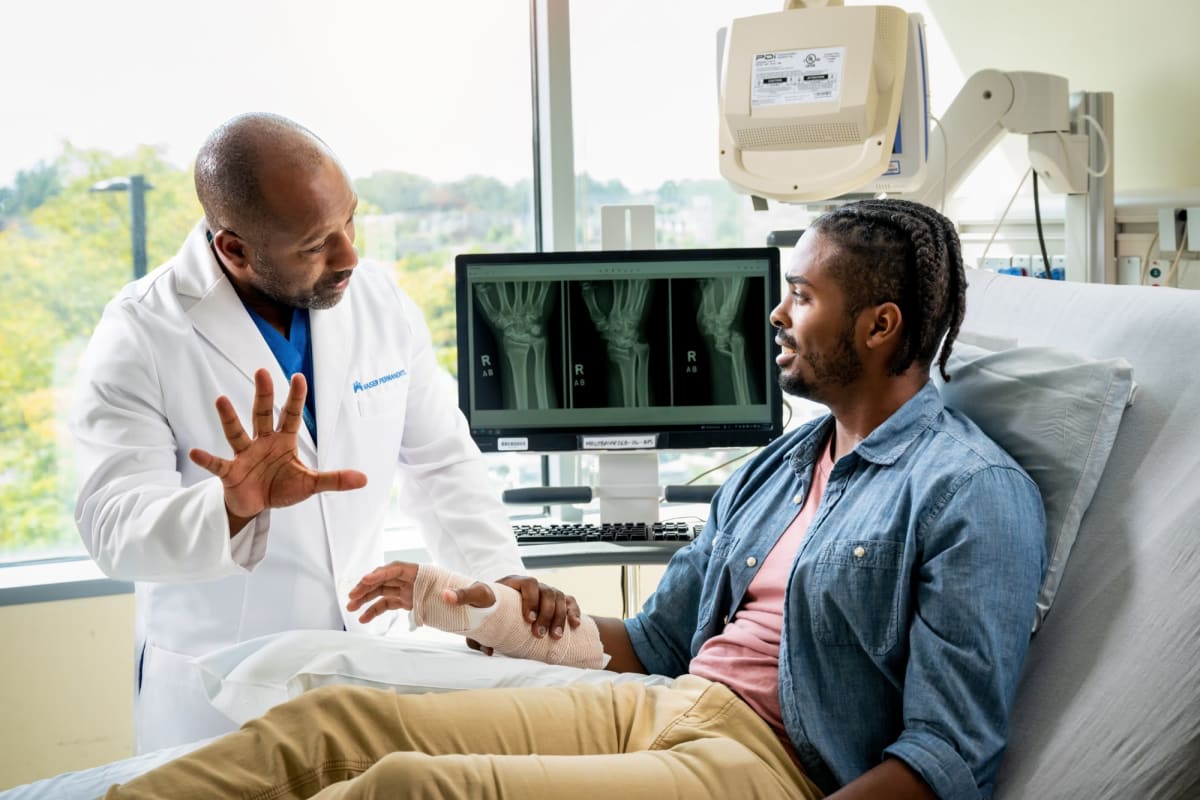
Results are available through the shared electronic health record. If needed, the specialist can review the same record, see lab results, and coordinate with the rest of the care team without waiting for records to be transferred to a separate office.
Pharmacists are part of that same care team, with access to the clinical information needed. They can view diagnoses, prescriptions, and lab results to help ensure medications are safe, appropriate, and effective. The goal is fewer missed steps, fewer duplicate tests and fewer delays in treatment or follow-up.
Convenience Designed for Real Life
In today’s fast-moving world, consumers expect convenience in nearly every part of life, and health care should be no exception.
Convenience is built into the model. In many cases, members can address multiple health needs in one visit, from seeing a doctor to completing lab work or picking up a prescription.
The connected experience extends online. Members can also schedule appointments, review test results, refill prescriptions, message their care team, and access virtual care through one platform. When traveling, they can view their Kaiser Permanente health information and use virtual appointments through the app.
Better Connected Care Can Support Better Health
Integrated care is about more than convenience. It also supports Kaiser Permanente’s approach to value-based care, which focuses on keeping people healthy and improving outcomes—not simply delivering more tests, procedures or office visits.
With care and coverage connected, care teams can focus on prevention, early intervention, and follow-up. Members receive reminders about screenings, vaccinations, wellness visits and ongoing care, helping members stay up-to-date on all their health care needs and ultimately, helping them live longer, healthier lives.