

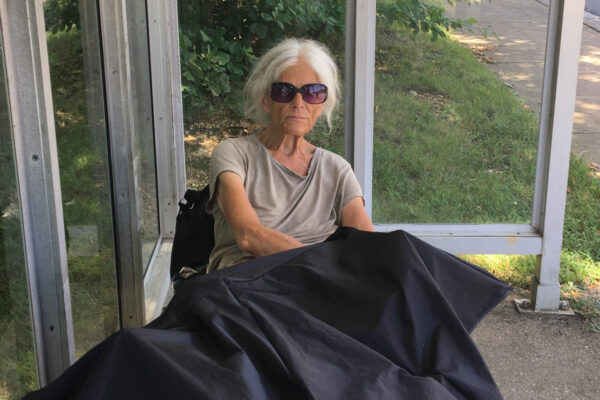
The recent death of a woman who spent much of the last two decades on Arlington’s streets is driving conversation on intervention options in Virginia.
Carol Ann Sauer — remembered as a friend and a “fixture to locals” who helped her at times, especially during bad weather — died from complications related to pneumonia and sepsis at VHC Health shortly before midnight on Dec. 31. She was 66.
A Jan. 11 obituary in The Washington Post, placed by the family, detailed Sauer’s life trajectory that began in a stable household growing up in Fairfax County, the daughter of an airline pilot and homemaker, to studies at George Mason University and gainful employment.
Family members, who say that her final stay at VHC Health was the only time she had ever been hospitalized, discussed the limited options available under state law for intervening on behalf of mentally ill loved ones who decline assistance.
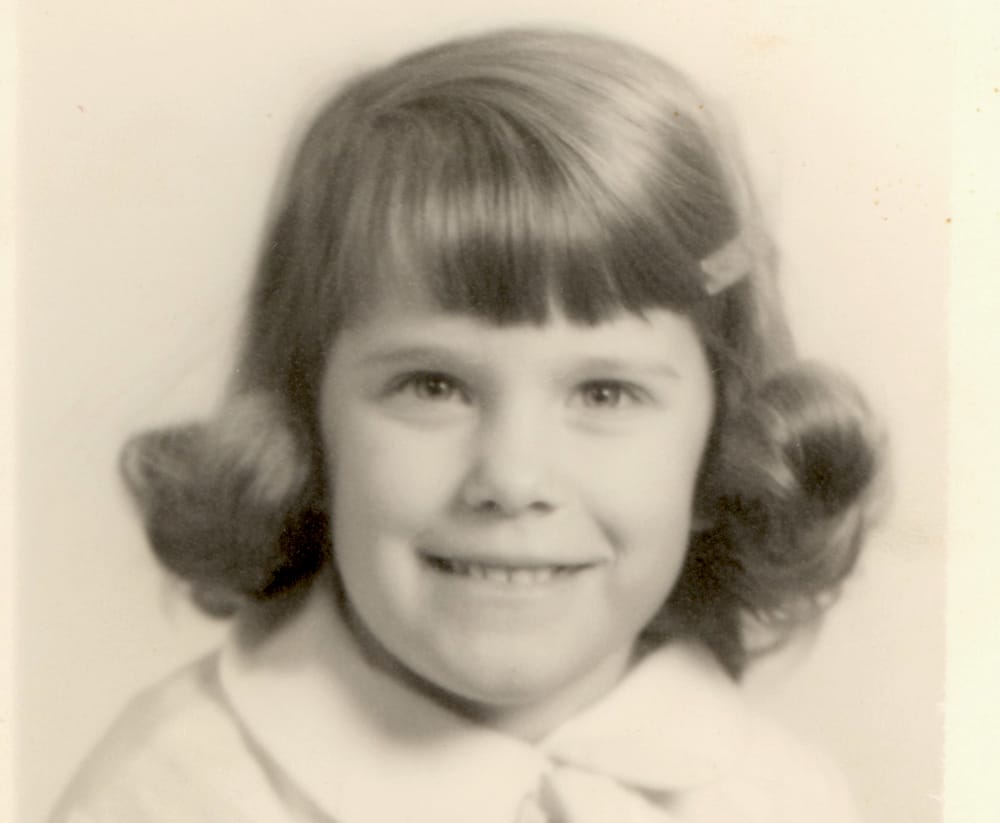
The death of her mother to lung cancer in 1979 appeared to be a triggering event that evolved over the next two decades, family members said:
“Despite the outward appearance of stability, it was around this time that family members say her mental state began to fray around the edges. Her brother David recognized it first, as she began squirreling possessions away, fearful that people were looking for them. Her personality increasingly moved from an ordered world to darker places shaded by paranoia, the existence of which was very real to her, though baffling to her family.”
Carol’s brother and sister-in-law, Bob and Tricia, would travel from Leesburg to find her and provide shelter in particularly poor weather. Others stepped in to help, as well:
“As time wore on, ‘the little white-haired lady’ became a fixture to locals. Area churches and individuals supplied Carol with meals. Two unrelated gentlemen, Manuel and LaMont, befriended her and delivered food, spiritual guidance and messages of hope. They and unknown others were our ‘Angels of Arlington,’ as Tricia continues to call them.”
The obituary written by the family also served as a call to action, seeking changes to Virginia law to provide more avenues to help those in similar circumstances. The family praised organizations like PathForward, which work to support the unhoused with “tireless, non-judgmental assistance,” but said Virginia law puts too many impediments in the way of family members attempting to provide support.
“As a society, we shouldn’t have to accept laws that set a bar so high that it is nearly impossible for a family to intervene on behalf of a severely mentally ill family member,” the family wrote. “Though the consequences of the law may be unintended, they are cruel for vulnerable people unable to make rational decisions for themselves.”
Sauer did not like being homeless, family members said. “Her delusions masked the real reasons why she was living on the street,” they said.
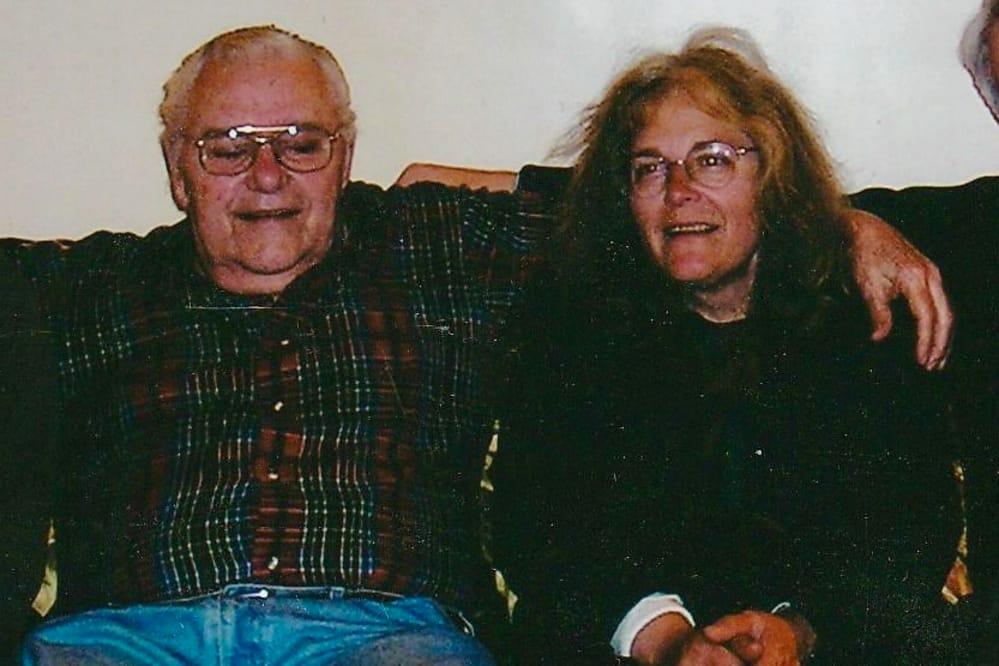
The obituary drew an outpouring of online support.
“While I never knew her name or her story … I saw her often while running in the dark morning,” responded Meggie Havemann Scogna on Facebook. “I was thinking of her just last week when I realized I hadn’t seen her. I am sorry to hear of her passing, but hope she and her mind [have] now found peace.”
Betsy Frantz, president/CEO of PathForward, told ARLnow that the obituary was a “really wonderful” tribute, and that it “breaks down perceptions of those with mental illness who are homeless.” Frantz said her organization worked with Sauer and would have done more had she agreed to the help.
“From PathForward’s perspective, we did all we could based on Carol’s willingness to receive services. Her brother was a very good advocate in encouraging, coordinating and connecting her to the services that were being offered, including housing in our transitional housing, which she declined.”
For a period of time, Sauer had participated in PathForward’s day program, but was not doing so recently. Efforts were made to keep connected with her, Frantz said.
“Our outreach team checked on her,” Frantz said.
Destiny Esper, a spokesperson for Arlington County’s Department of Human Services, said the local government “extends its deepest condolences to the individual’s loved ones and all those affected by this loss.” She said DHS “remains committed to providing compassionate, trauma-informed services to individuals experiencing homelessness, including outreach, housing navigation, behavioral health supports and connections to care.”
Frantz said there are limits to what government agencies and safety-net organizations can do in cases like Sauer’s.
“I’m not aware of any Virginia laws that would have mandated her to receive services unless she was declared not able to make decisions on her own,” she said.
The Sauer family, however, thinks changes to state law should be considered.
“Virginia’s law stipulates that unless someone is a danger to themselves or others, the state can do very little to assist,” they wrote, continuing:
“As a society, we shouldn’t have to accept laws that set a bar so high that it is nearly impossible for a family to intervene on behalf of a severely mentally ill family member. Though the consequences of the law may be unintended, they are cruel for vulnerable people unable to make rational decisions for themselves.”
In addition to her brother Bob and sister-in-law Tricia, Carol Sauer is survived by her sister Lynn and her husband, Rick, of Ammisville, Va.; her brother David of Alexandria; and numerous nieces, nephews and grandnieces and grandnephews.
Funeral services are planned for April 29 at Fort Lincoln Funeral Home & Cemetery in Brentwood, Md. Family members suggested donations to mark Carol Sauer’s life be made to PathForward.
“Most importantly, the family asks that you do not let the stigma of mental illness prevent you from getting help for a loved one,” they wrote.
