

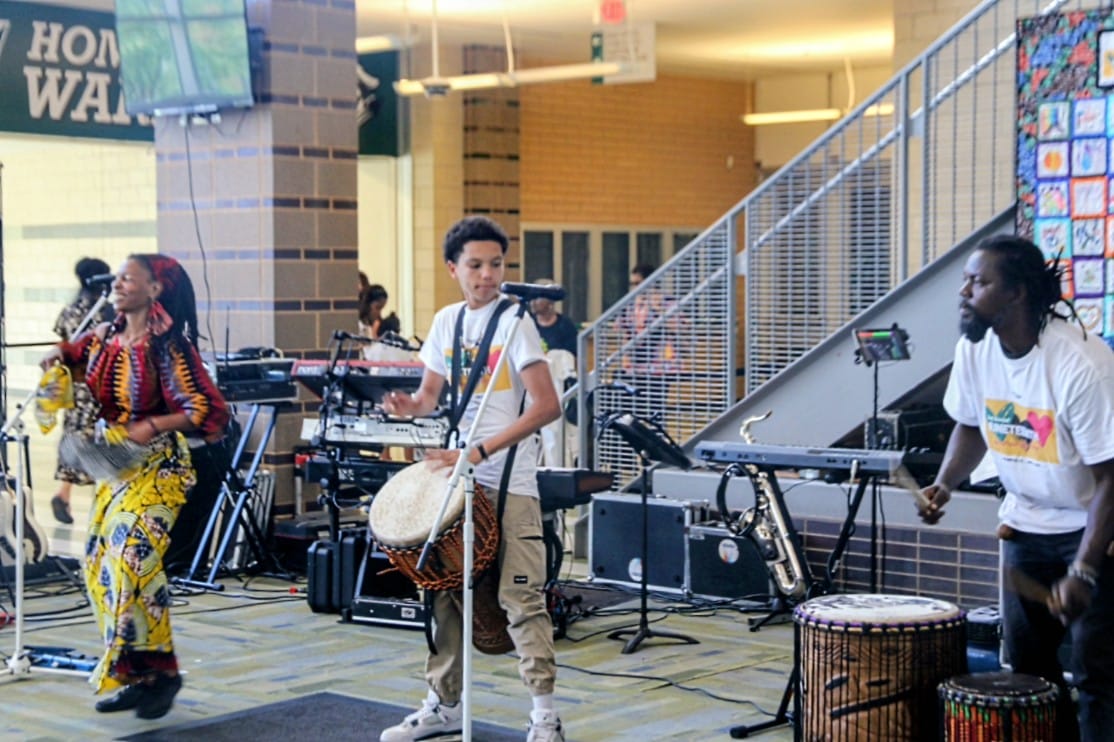



A local Juneteenth celebration drew calls to honor the past while working toward a better tomorrow.
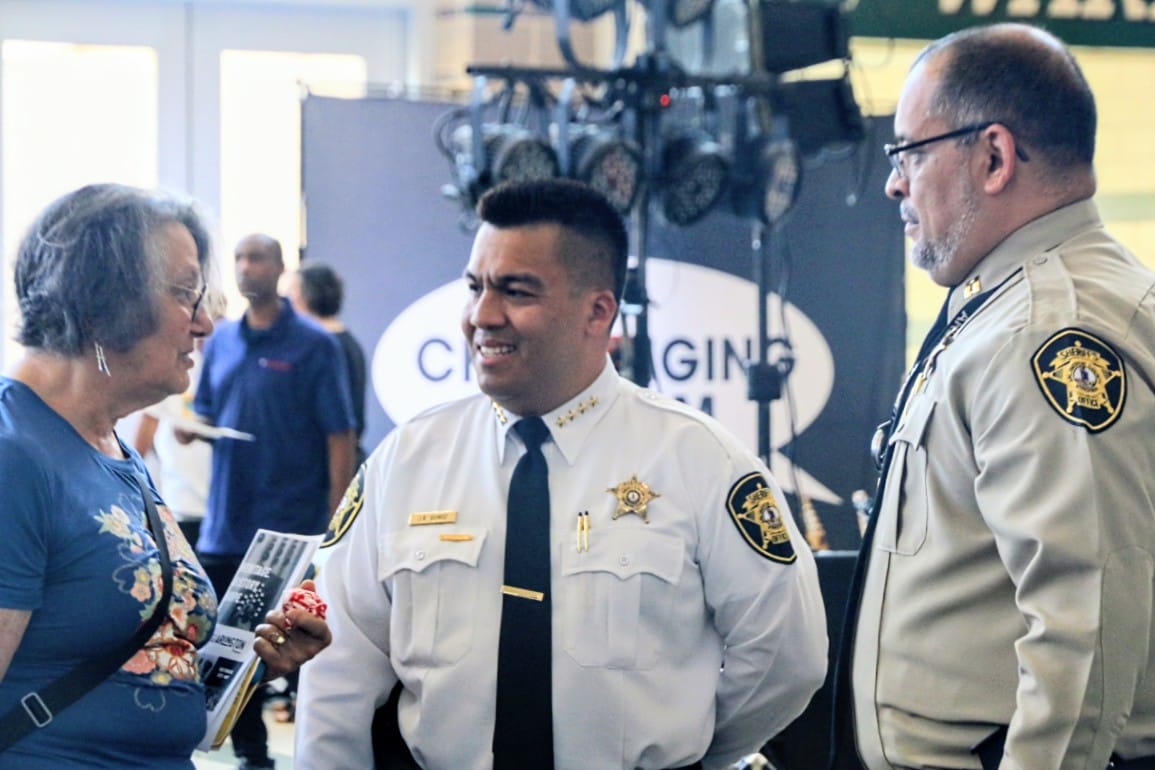
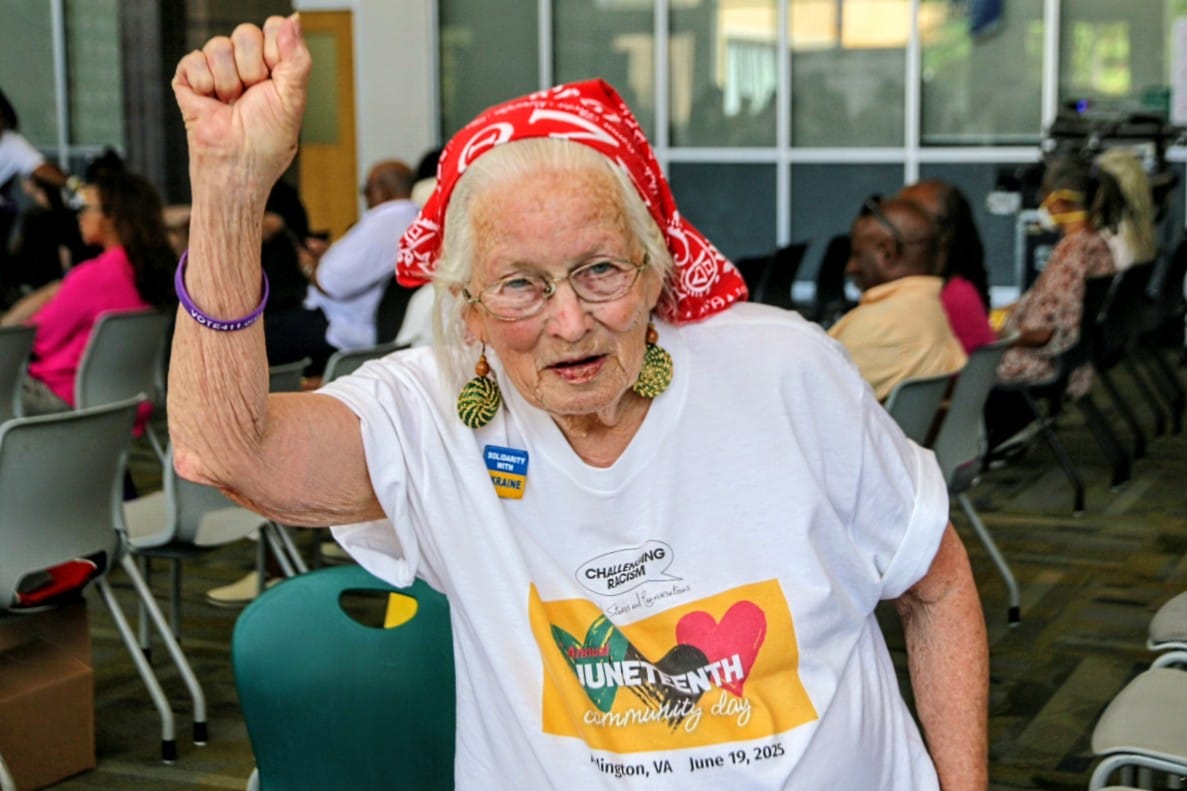
The three-hour community festival — now in its third year and cosponsored by Challenging Racism and Arlington Public Schools — attracted a crowd of several hundred people to Wakefield High School on Friday.
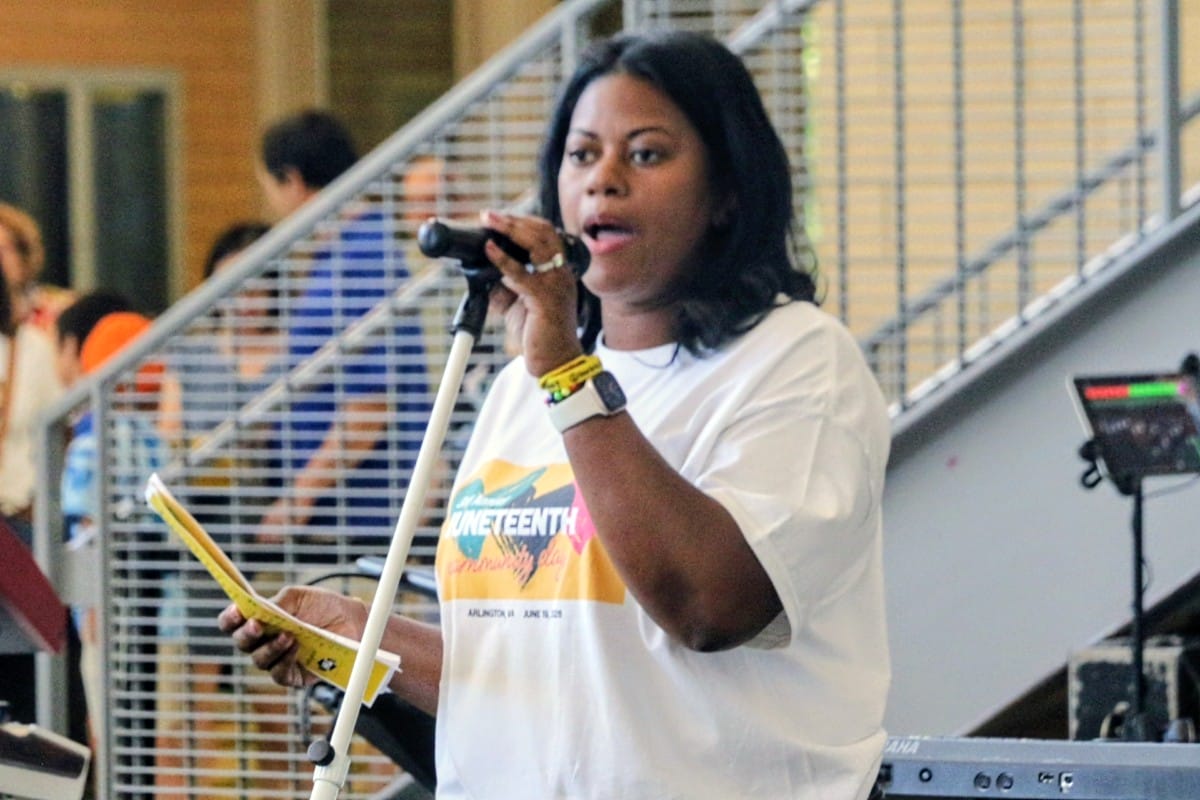
“Today is about freedom,” said Monique “Moe” Bryant, executive director of Challenging Racism. “The type of freedom that we’re still fighting for, we’re fighting to protect and we’re defending every day.”
A state holiday in Virginia since 2020 and a federal holiday since 2021, Juneteenth recognizes the day — June 19, 1865 — when news of emancipation reached enslaved African Americans in Galveston, Texas.
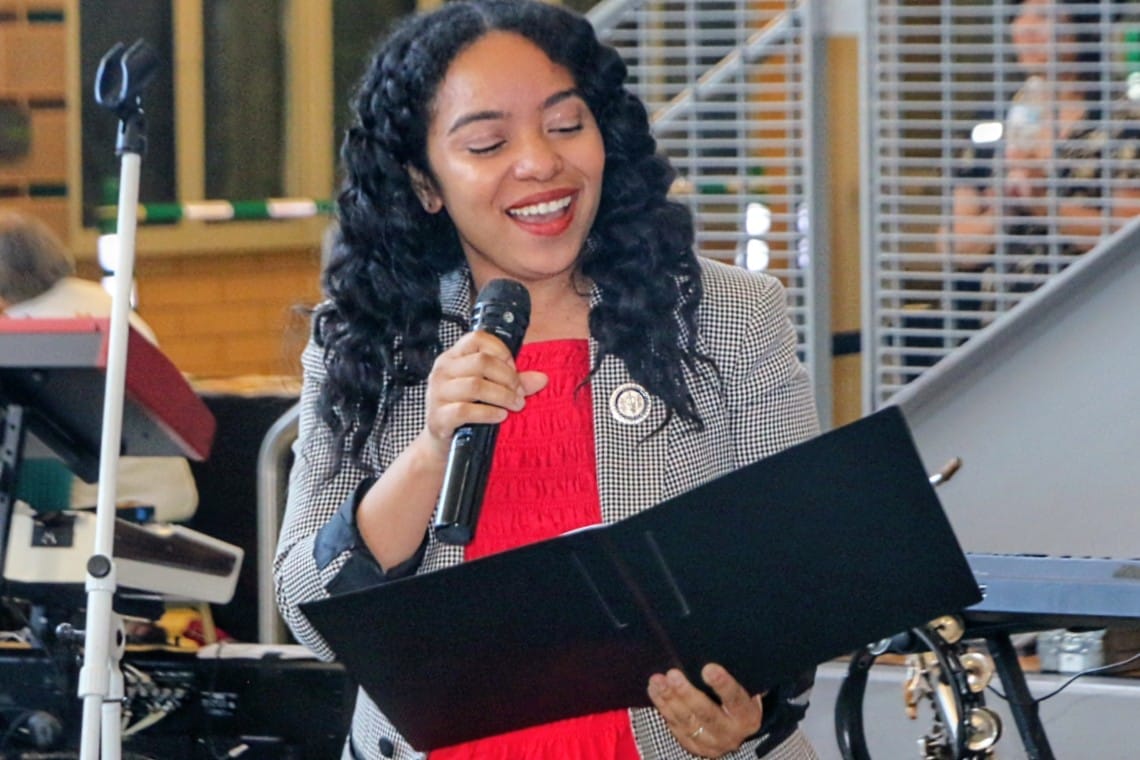
The event should be honored as “a sacred day of remembrance and celebration” and “the dawn after the darkest night,” said the Rev. DeLishia Davis, president of the Arlington NAACP.
“This day belongs to all of us, together,” she said.
“We must honor the past, and use those lessons to build a more just future,” said Del. Adele McClure, D-2.
“In a very real sense, we are living the dreams of our ancestors,” McClure said, urging attendees to “cultivate what they started and leave something stronger.”
Juneteenth is a reminder that “progress may be delayed but cannot be defeated,” said Brian Stockton, chief of staff of Arlington Public Schools.
Stockton said schools have a key role to play in fulfilling the legacy of emancipation.
“Education has always been part of the freedom story,” he said. “Our responsibility is to help [students] discover the gifts they may not see in themselves. When a child feels valued, they begin to achieve.”
Other organizations participating in the event included the Black Heritage Museum of Arlington, Arlington Coalition of Black Clergy, Arlington Historical Society, the Dream Project, Arlington NAACP and WHUR/WHUT.
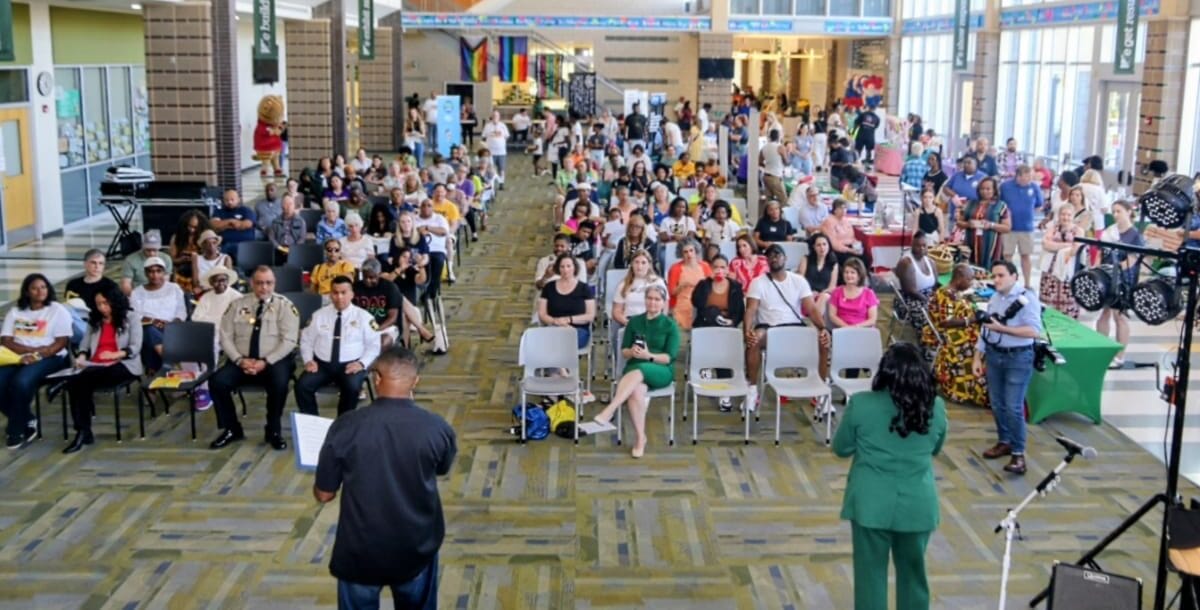
Community partners and sponsors included the Arlington Community Foundation, OAR, Design TLC, Rock Spring Congregational United Church of Christ and the League of Women Voters of Arlington and Alexandria City.
The news of emancipation reached Galveston more than two and a half years after the Emancipation Proclamation was issued by President Abraham Lincoln, granting freedom to those enslaved in areas then in rebellion against the U.S. government.
Lincoln’s order could not be enforced in Texas until the spring of 1865, when Confederate authority in the state began to break down. By June 2, 1865, the remaining Confederates in Texas surrendered to Union forces.
Modern-day Arlington (then known as Alexandria County) had been under federal occupation since the start of the Civil War in 1861. While, technically, the local area was covered by the Emancipation Proclamation, many of those enslaved were not freed until the Restored Government of Virginia abolished the practice in March 1864.
The 13th Amendment to the U.S. Constitution, ratified in December 1865, abolished slavery across the nation.
