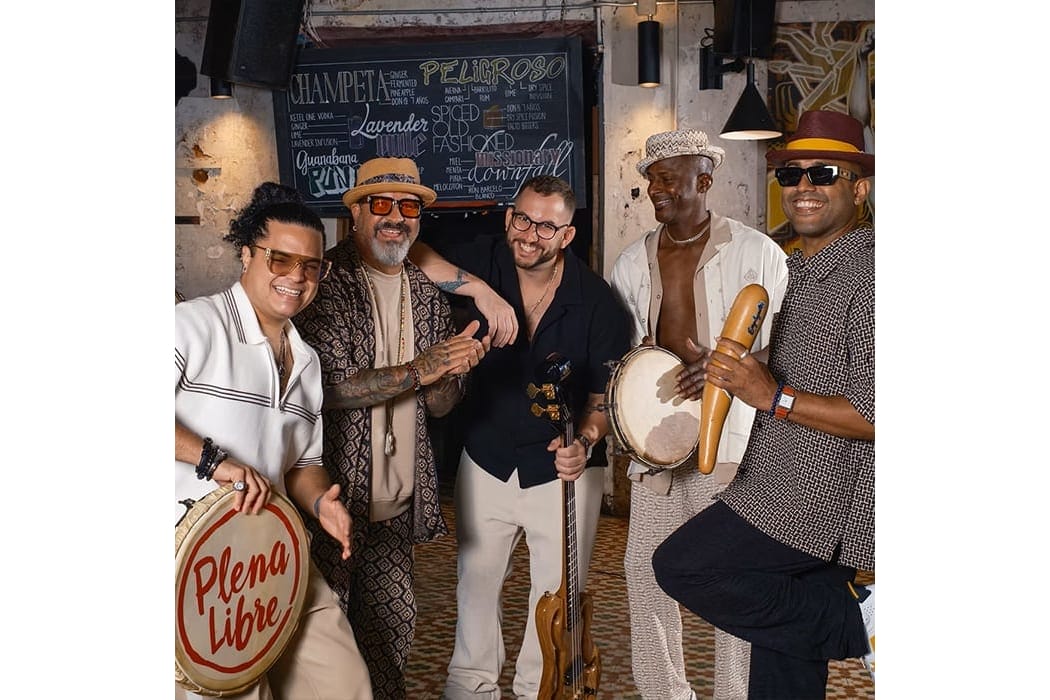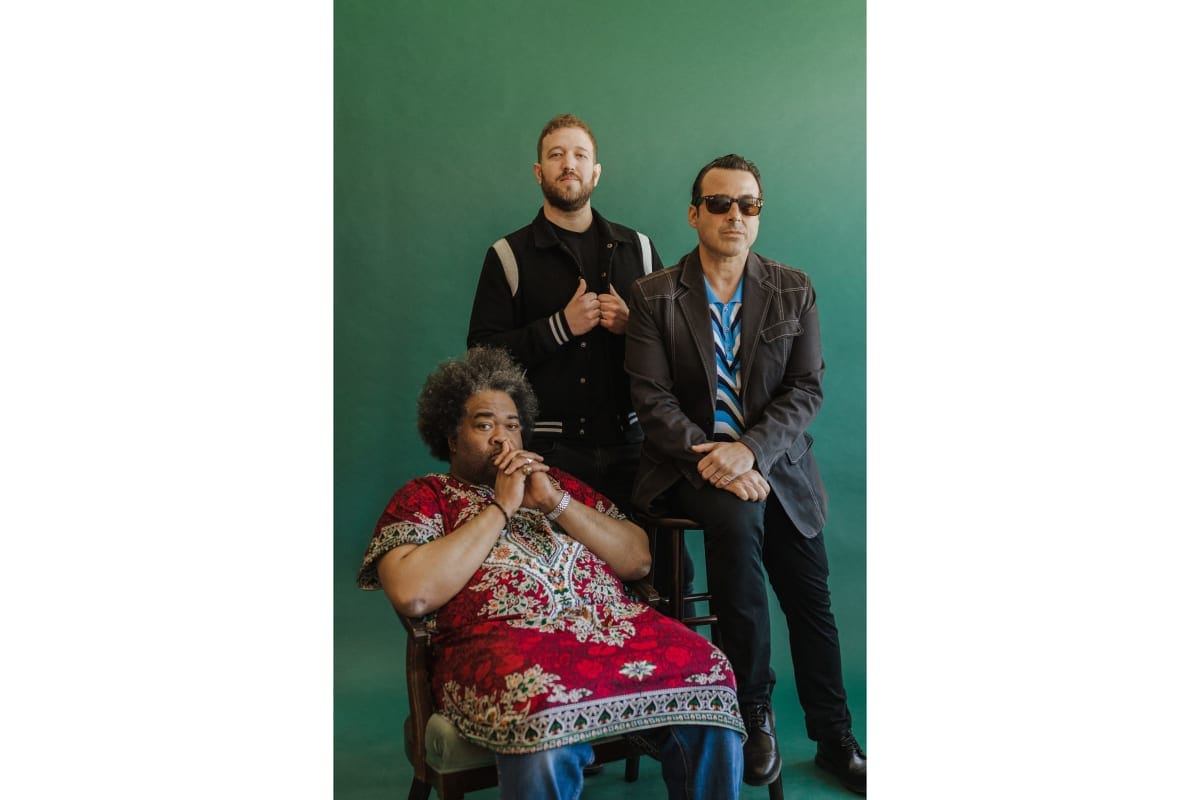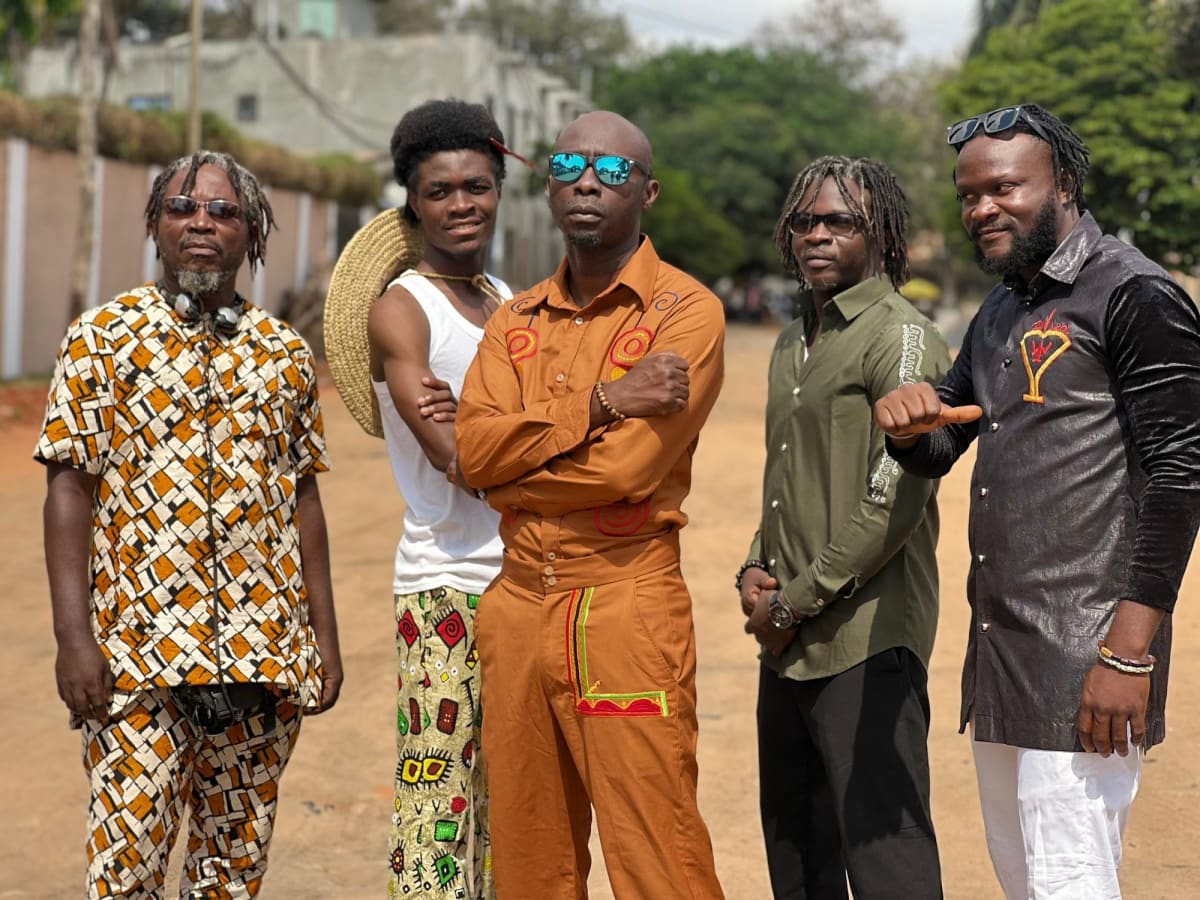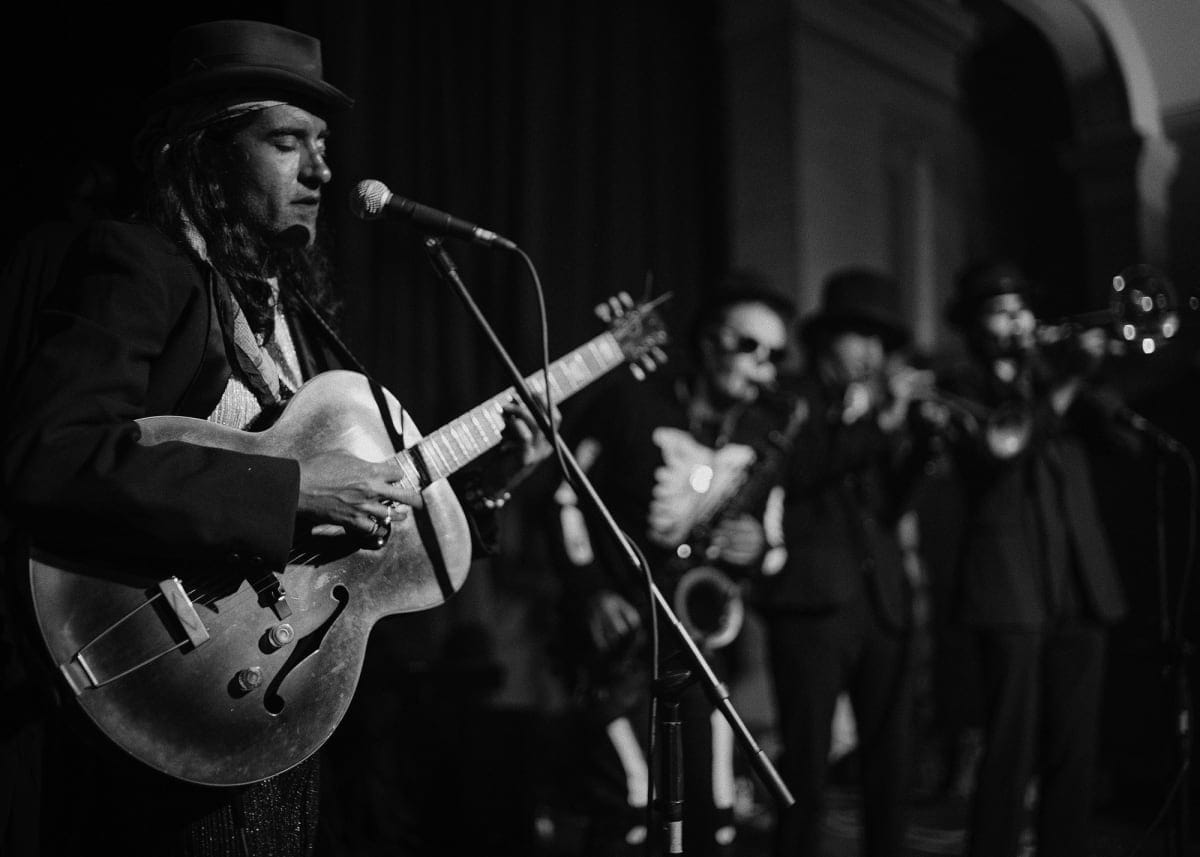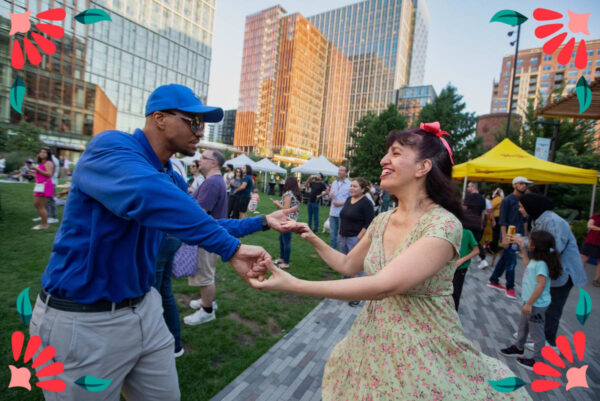
Met Park becomes your dance floor this fall with the return of NaLa Noches, a high-energy celebration of Latin music and culture in the heart of National Landing. Sigue el sonido/follow the sound of the güiro, clave, and timbales during live performances from top regional acts curated by DC trumpet legend Joe Herrera. During the set break, Inspira Dance leads short, beginner-friendly dance lessons, from salsa to merengue and more!
Grab empanadas and alfajores onsite from local favorite Peruvian Brothers, cool down with a complimentary Topo Chico, and partake in hands-on “Colores y Cultura” art activations by Museum of Contemporary Art Arlington.
FREE TO RSVP
Musical Lineup:
September 17 — René Ibáñez & Cubano Groove (Latin Jazz)
September 24 — Punto i Aparte (Salsa Merengue)
October 1 — Orquesta Manplesa (Salsa)
October 8 — Monte Cimarrón (Cuban Son/Salsa)
October 15 — Son Cubano Subterráneo (Cuban Son)
Art Activities & Artist Lineup:
Join Museum of Contemporary Art Arlington for fun and free “Colores y Cultura” arts activities each week.
September 17: Talavera Pottery-Style Clay Crafts // sculpt decorative pieces with air dry clay!
September 24: Artist Spotlight: David Amoroso — Papel Amate Inspired Painting // paint vibrant scenes of flora + fauna on natural paper.
October 1: Artist Spotlight: Michelle Espinoza — Corn Husk Flowers // craft flowers out of corn husks.
October 8: Artist Spotlight: Jaqui Falkenheim — Little Houses on Caminito Street // color and collage houses inspired by Caminito Street in La Boca, Buenos Aires!
October 15: Mini-Nicho Shadow Boxes // create a personal little shrine with colorful embellishments!
Please refer to the National Landing website for transportation and full event details: www.nationallanding.org/events/nala-noches
NaLa Noches is produced by the National Landing BID in partnership with Amazon.