

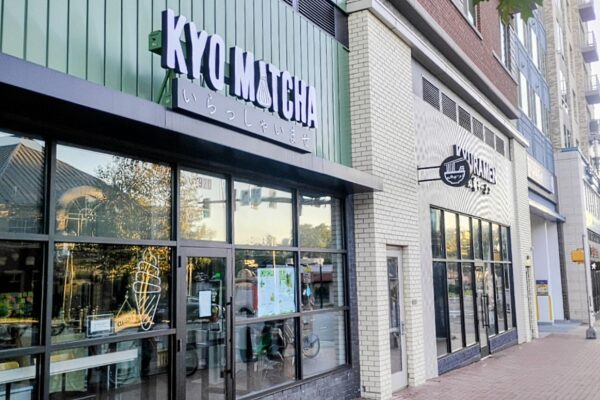
Falls Church’s newest City Council member is suggesting an increase in the city’s meals tax to ease budget pressures.
“I think it should be something we’re considering,” Arthur Agin said at an April 6 Council work session that stretched well past midnight, focused largely on budget issues.
Agin, the lone newcomer to win a seat in last November’s Council elections, said increasing the meals-tax rate from 4% to 5% would put Falls Church on par with Arlington, which last year raised its tax on prepared meals to that rate.
In Fairfax County, elected officials last year enacted that locality’s first-ever meals tax, setting it at 4%. Collection of the tax began Jan. 1.
With a tax rate on par with Arlington’s and slightly higher than Fairfax’s, Agin suggested an increase would not hurt the competitiveness of restaurants and retailers in Falls Church. But he acknowledged that higher taxes are not popular with those who must collect them from their customers.
“It’ll be a painful one,” he said of any increase, “and we may get the restaurant community really yelling at us.”

On April 13, Council members will advertise tax rates for the coming year, ahead of final budget action on May 11. During the April 6 work session, there was skepticism from some on raising the meals tax this year.
“This is probably not the right time,” Council member Laura Downs said.
She urged her colleagues to “save that for another budget year — hopefully we won’t need it.”
Council member Erin Flynn said that, among budget options on the table, “I’m not as interested in changing the meals tax.”
“It’s expensive when you go out [to eat] in the city,” Flynn said.
Flynn did say other tax increases, even those affecting small segments of the community and bringing in relatively small amounts of money, should be on the table.
“Ten thousand dollars here or there matters,” she said.
City Manager Wyatt Shields has proposed a $134.3 million fiscal 2027 spending plan, up 0.8% from the current budget package. City Council members have until May 11 to make changes.
According to city officials, each 0.1% increase in the meals-tax rate would raise approximately $159,000 in annual revenue. Under Shields’ budget plan — which envisions no change in the 4% rate — total fiscal year 2027 revenue from the tax is estimated at $6.36 million.
Like Arlington, Alexandria also imposes a 5% meals tax. The City of Fairfax is proposing increasing its tax from 4% to 4.5%, while the rate in Prince William County is 3%. Loudoun County is alone among Northern Virginia localities in having no meals tax.
Meals taxes are added on top of the 6% state sales tax. They apply both to restaurant meals and prepared foods purchased at venues like convenience stores and supermarkets.
The April 6 work session ran until 1:03 a.m., including a 70-minute period that was closed to the public.
