

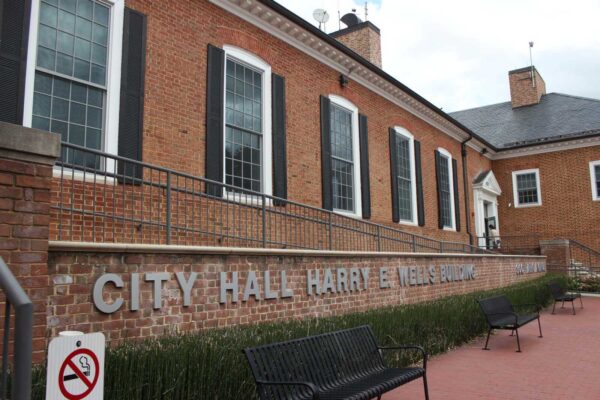
Falls Church City Council members adopted a $134.5 million fiscal 2027 budget Monday night, but at the meeting warned of more significant budget challenges ahead.
On a 6-1 vote, Council members reduced the current real estate tax rate from $1.185 per $100 assessed valuation to $1.18 per $100.
Homeowners will still see higher tax bills — a median increase of $557 — owing to assessments that increased an average of 6.2%. The tax-rate cut won’t offset that, but Council members said it would help slightly lessen the tax bite.
“It’s important to be responsible to residential homeowners’ burden,” Council member Erin Flynn said. “People continue to face unemployment and underemployment.”
The lone dissent on the tax rate came from Council member Arthur Agin. He said there was too much uncertainty around the city’s revenue streams to cut rates now.
“We need to have thoughtful and unrushed discussions about all our revenue sources,” he said.
Council member Justine Underhill shared similar concerns.
Saying she was “deeply conflicted” about embracing a cut in the tax rate given unfunded needs, Underhill said that, on balance, it was “the right move.”
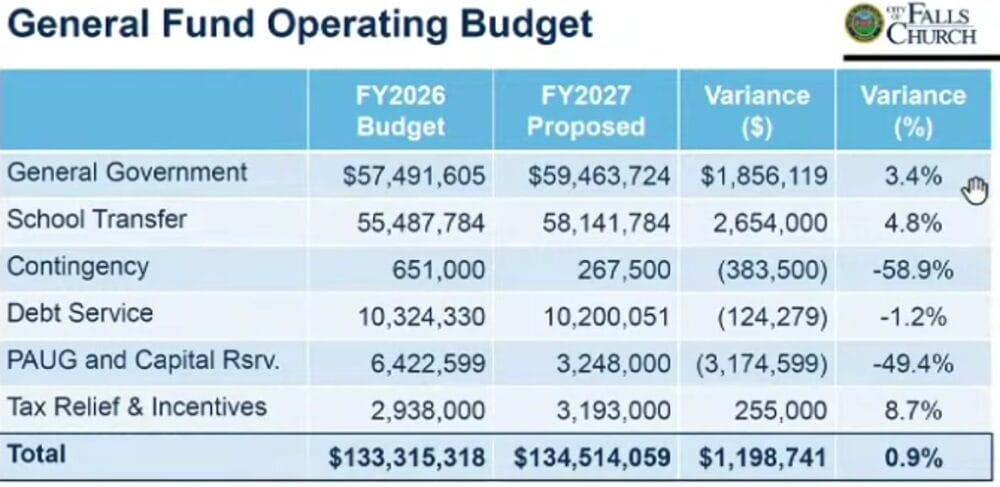
The overall budget package represents a 1% increase from the fiscal 2026 spending plan, although the cost of general government operations is rising 3.4% to $59.5 million and the transfer to the school system is up 4.8% to $58.1 million.
To keep the overall increase down, funding for capital reserves and contingency funds was cut significantly from prior years.
The city does its best but can’t always be all things to all people, Council member David Snyder suggested.
“We’re small but we’re incredibly complex,” he said of community needs.
The city has benefited from an influx of new development and resulting tax revenue on top of higher valuations of existing homes. As a result of the combination, the city’s overall tax base of $6.86 billion this year is up 6.9% from 2025.
But the development pipeline has hit a lull, and the era of 6% to 8% annual revenue increases may be ending.
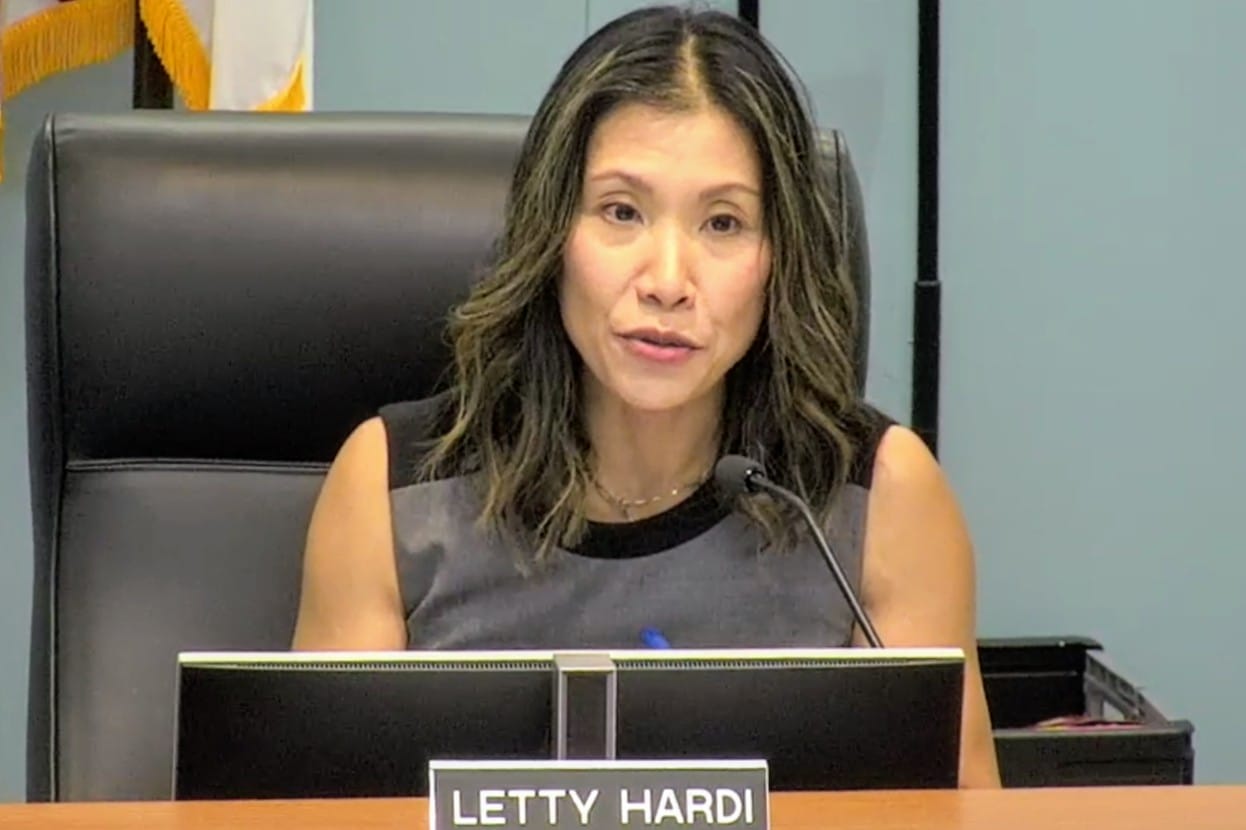
Mayor Letty Hardi said city leaders need to be prepared to “live in a 3% revenue growth” environment.
“I want us to think about what really are our priorities,” she said of planning for future years.
Beyond the city’s operating budget, Hardi said an upcoming review of facilities’ conditions, slated for completion later this year, would likely show significant capital needs.
“I don’t think we’re going to get a very small bill from that. We’re probably going to get a big one,” she said.

Despite potential headwinds on the horizon, Council member Marybeth Connelly said city residents should pause to consider how increasing urbanization can reduce homeowners’ tax burdens.
“The work we have done for the last 20 years to build up the commercial tax base has paid off,” she said.
Though still higher than all surrounding jurisdictions, Falls Church’s tax rate has come down incrementally in recent years. In fiscal 2020, it had stood at $1.335 per $100 assessed valuation.
The 361-page fiscal 2027 budget, which was adopted on a 7-0 vote, includes a number of fee increases that will impact residents:
- Sewer rates will increase 5% to $11.71 per $1,000 gallons, an average increase of $27 per household
- Trash-collection rates will increase 4%, representing a $10 to $12 increase per residential customer
- Stormwater fees will increase from 7%, an increase of an average $23 per homeowner
For property owners, the first half of fiscal 2027 tax bills are due Dec. 5. The remaining half will be due in June 2027.
The fiscal 2027 budget is the last for City Manager Wyatt Shields, who will retire in September.
