

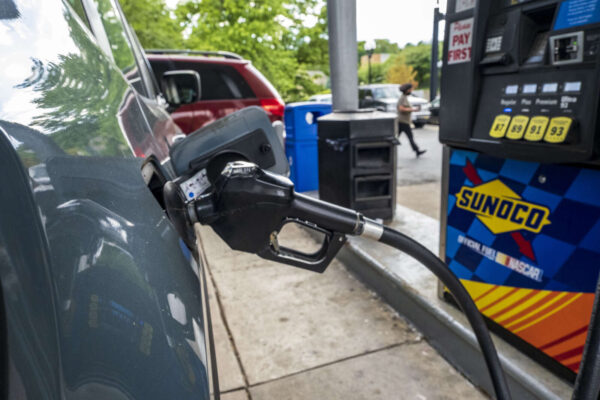
Gas prices in Virginia have crept past $4.30 a gallon on average, more than 40% higher than this time last year — and the squeeze at the pump shows no obvious sign of letting up.
AAA’s Virginia average for a gallon of regular sat at $4.322 on Monday, with the metro D.C. average just above $4.53. The national average has climbed roughly 25 cents in each of the last two weeks, according to WSLS, and the Virginia average is now about $1.31 above where it stood a year ago, Northern Virginia Magazine recently reported.
The cause isn’t a mystery.
Since the U.S. and Israel attacked Iran on Feb. 28 — drawing condemnation from Virginia’s Democratic congressional delegation — Iran has blocked access to the Strait of Hormuz, through which about a fifth of the world’s oil and liquefied natural gas typically passes. The Federal Reserve, which had been expected to cut interest rates this year, has turned cautious as it waits to see how long the conflict lasts.
The result has been the fastest run-up in consumer prices in three years. Federal data released last week showed inflation climbing 3.8% from April 2025 to April 2026, with gasoline prices up more than 28% year-over-year and real hourly wages falling for the first time in three years.
The economic ripples have already shown up in local coverage: the Iran conflict has complicated Arlington’s real estate market, cut flights out of Dulles, and prompted Northern Virginia housing markets to brace for a slower spring than expected.
How much pain is felt at the pump depends on how someone gets around. Arlington residents who commute by Metro, bike, e-bike, or electric vehicle, or who work from home, may barely notice the new price tag at the gas station. Others — those who drive daily for work, ferry kids to school and activities, or live in parts of the county less served by transit — are absorbing the increase fill-up by fill-up.
Earlier this spring, Virginia House Republicans proposed a 90-day suspension of the state’s gas tax, which would have shaved an estimated 30 cents per gallon off prices at a cost of roughly $125 million per month in lost transportation funding. Many Democrats opposed the idea on the grounds that it would shrink road and transit budgets. The proposal did not advance.
Last year, when DOGE-driven federal workforce cuts started to bite, 65% of poll respondents said they were “very worried” about the local economy. Two months later, most readers said they had already started pulling back on spending. With prices now rising faster than wages and gas leading the climb, we’re curious how directly all this is hitting home.
How are rising gas prices affecting your life?
