Kamarin “Kami” Kraft leads the marketing of The Mayhood Company’s luxury residential projects on behalf of real estate developer clients in the Washington DC metro area. This includes consulting, business development, demographic studies, architectural and design input, market research, naming and positioning, branding, developing sales strategy with implementation, facilitating financial legal and management communication, as well as managing sales professionals- some of the best in the industry. Having been with Mayhood for over 20 years, she holds a BS in Marketing Management from Virginia Tech and an MBA from University of Maryland Smith School of Business. She is also a licensed real estate broker in Maryland, Washington DC, and Virginia.
Welcome to Kami’s Korner where we’ll take a deep dive into Arlington’s condominium market by focusing on what’s coming next. From emerging developments to shifting trends, this space will spotlight the opportunities and insights shaping the future of condo living in Arlington.
If you are in the market for a new Arlington condominium today, bring a flashlight. There is absolutely nothing to see and it’s a total ghost town. This isn’t a lack of buyer interest. I start by blaming the lingering, multi-year COVID hangover where no projects got designed, financed, or approved for several years since we didn’t know if the world would continue. Construction costs then further paralyzed commercial real estate and rising interest rates also crashed the party. No model units exist, no fancy preview sales offices or even a basic website landing page.
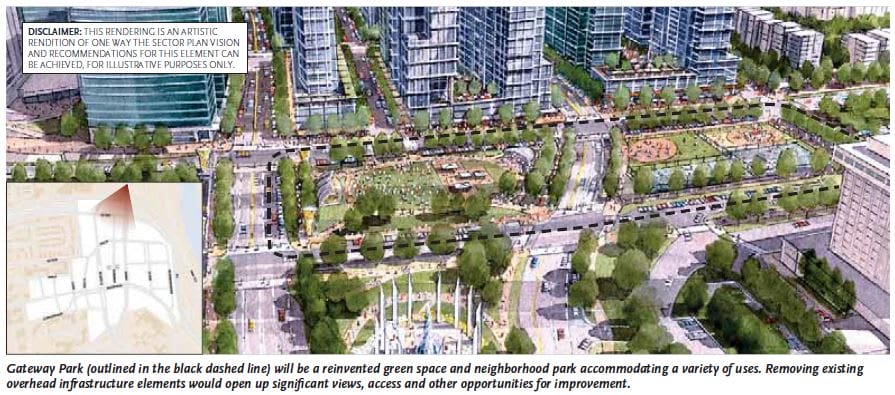
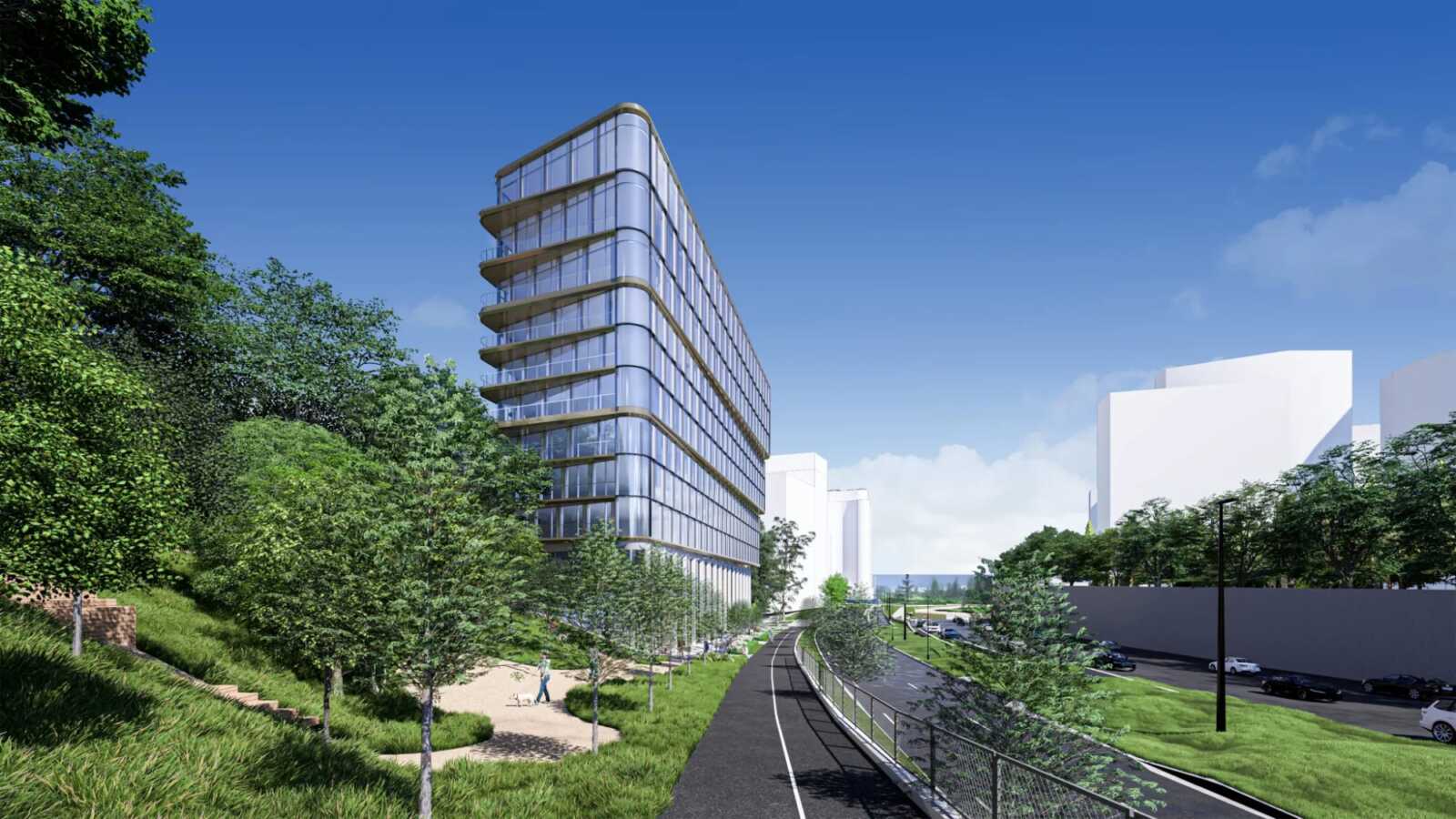
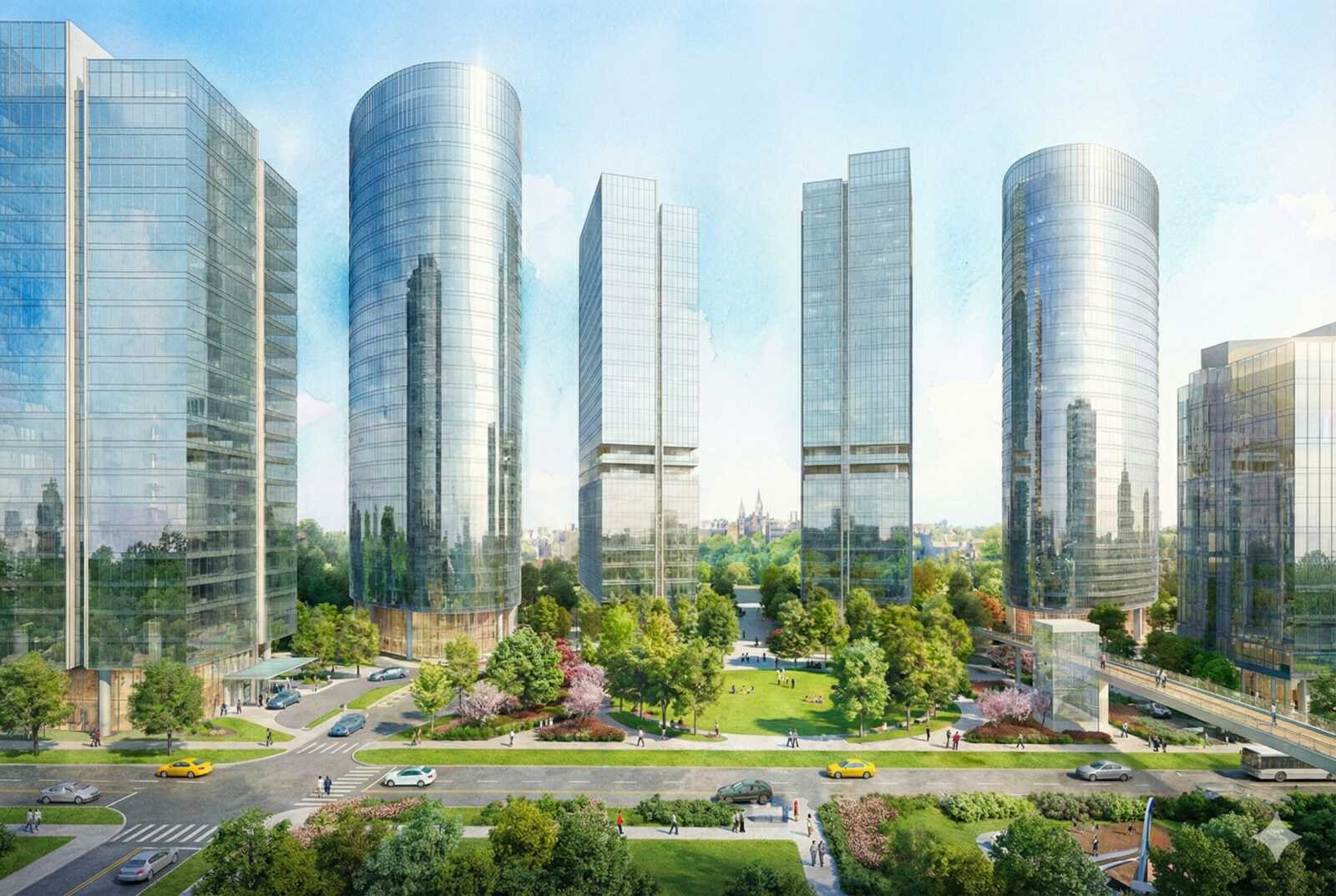
Want a place under 1,500 square feet? Pack your bags for Alexandria. Want a completely different suburban vibe? Enjoy the commute from McLean or Reston. The big local guessing game is simple. Who actually crosses the finish line first? Will it be 1501 Langston Boulevard? The upcoming tower at One Rosslyn? Or the old Key Bridge Marriott site known as Potomac Overlook?
Place your bets now. None will begin before roughly 2029 if all goes well.
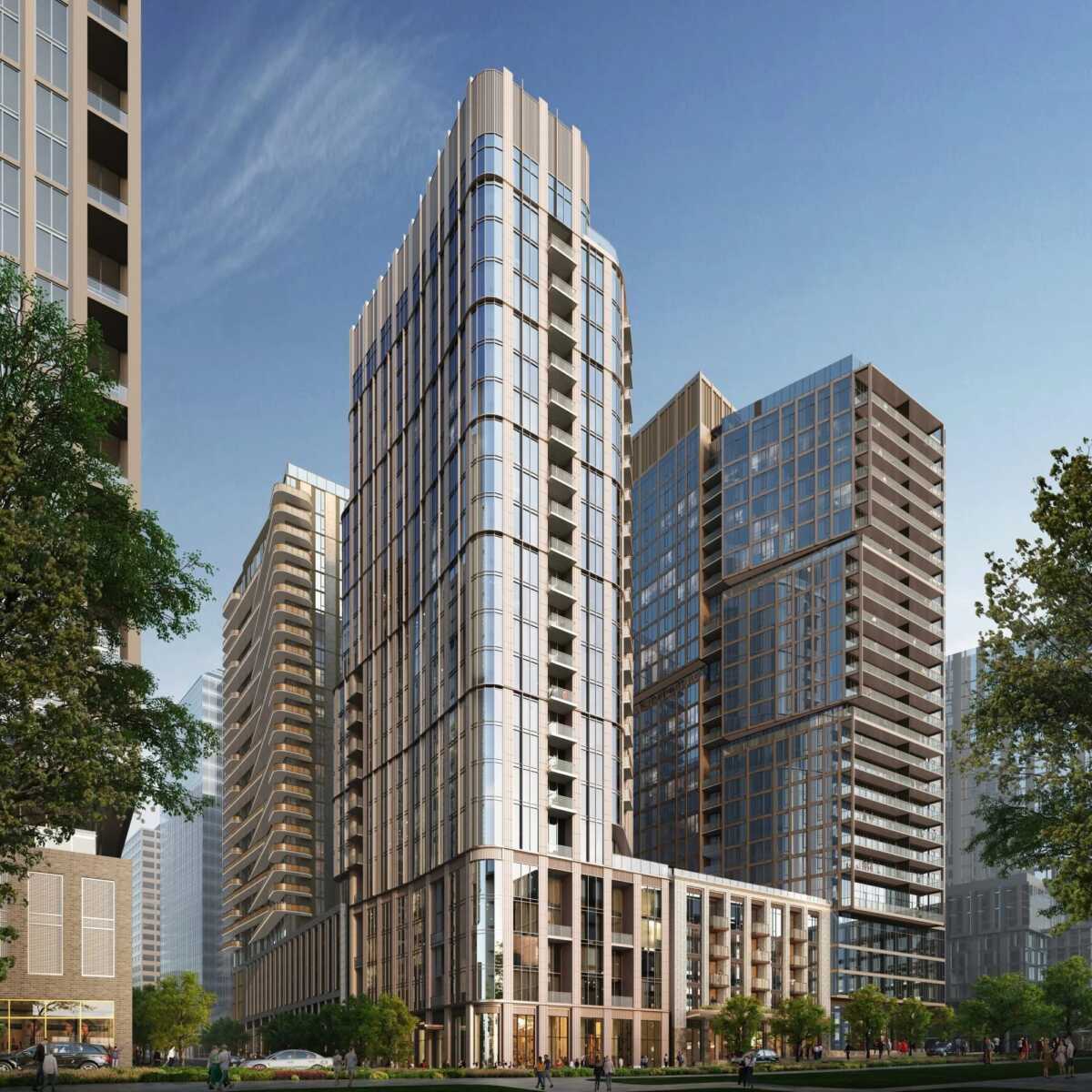
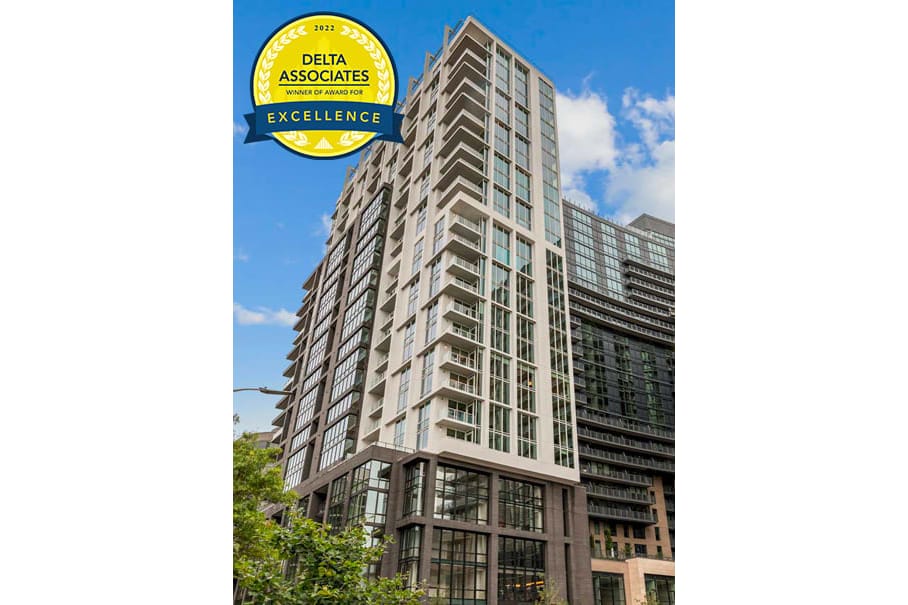
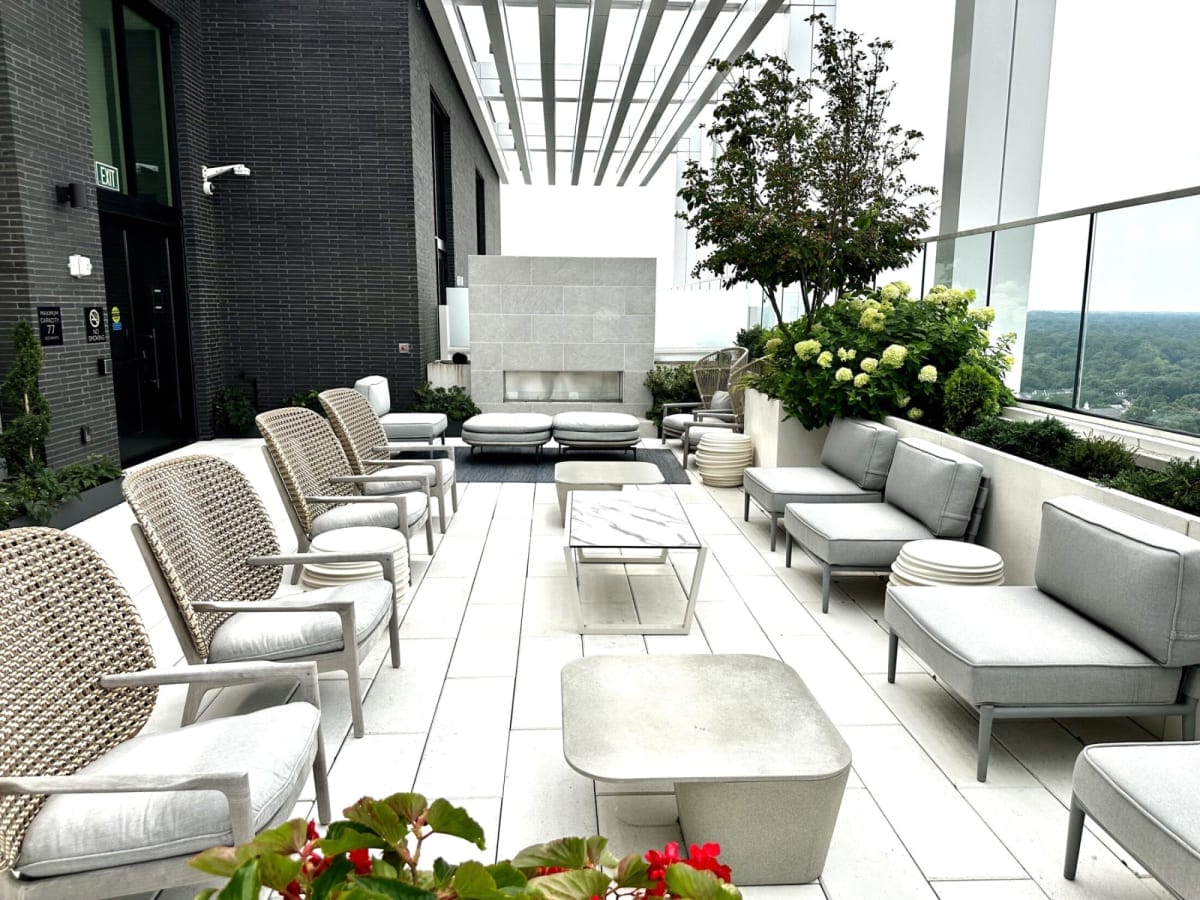
If you are in the market and don’t want to wait until 2029 for these new communities to make a buying decision, you might consider the latest luxury condominium in Arlington in Rosslyn, Pierce. This stunning community sold out in 2024 and there hasn’t been another new condominium community since. Let’s look at some of what the community offers.
A Real Option: Pierce
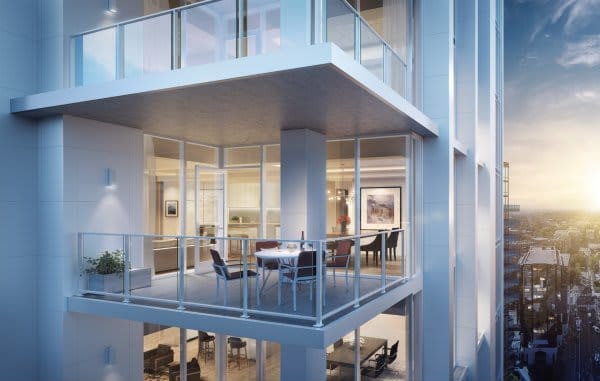
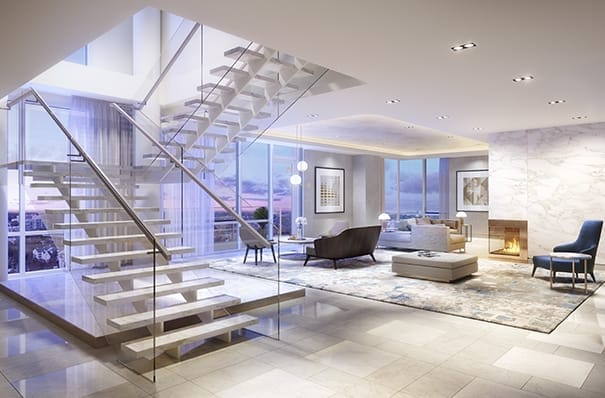
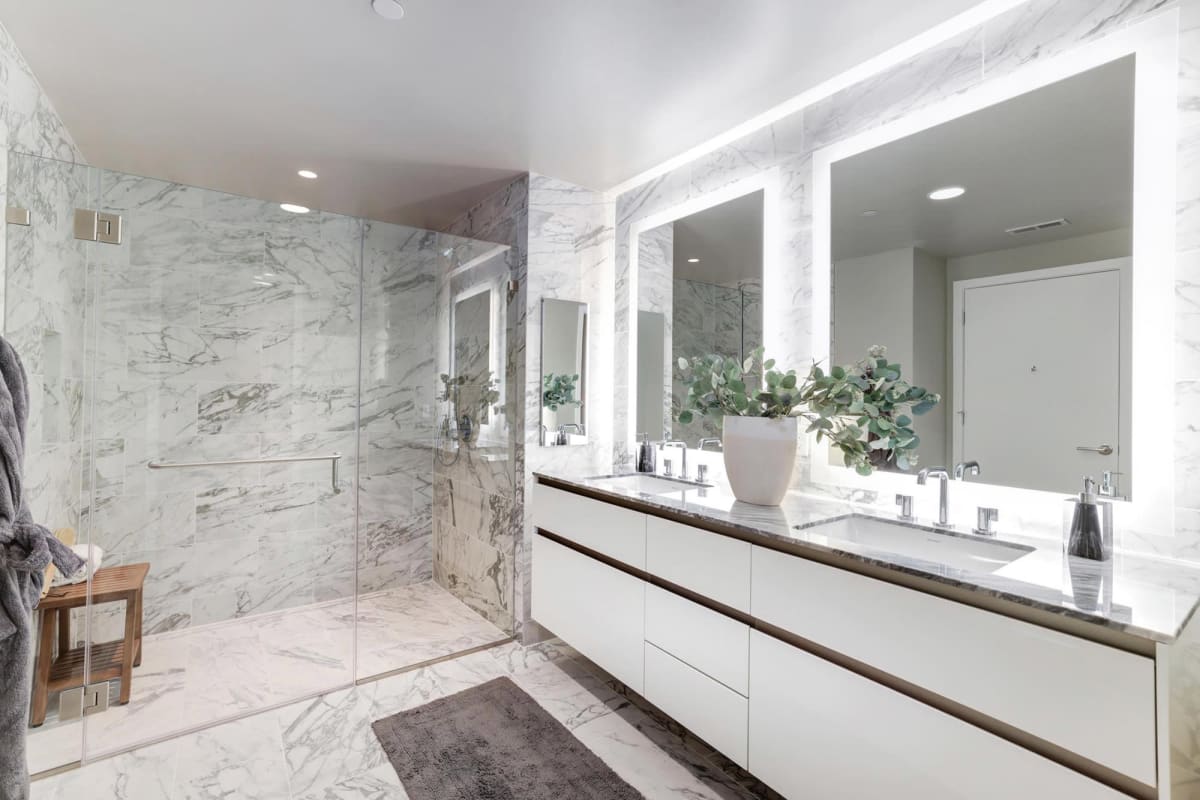
With 104 residences spanning 27 floors, Pierce offers expansive floor plans with premier interior finishes. At the height of sophisticated condominium living in Rosslyn, it boasts showstopping Potomac River and DC skyline views through dramatic, floor-to-ceiling windows, generous private balconies, high-end finishes, and excellent floor plans. It has some of the best views in town and has aged well. Full disclosure on the building management: My friend is the board president and my company hired the resident manager so the building is run flawlessly. The finances are actually in order.
The Bragging Rights (By The Numbers)
Buying here requires serious financial muscle. Of the 104 residences, 38 were under $1.5M, 51 were from $1.5M–$2.5M, and 15 were over $2.5M. Pierce’s average size is 1,894 sq ft, making the average price $1,910,000. With an average price per square foot of $1,033/sq ft, it is one of the top five residential buildings in Northern Virginia.
Who Lives There
The typical buyer isn’t a single 20-something. 65% of the buyers were couples and the average age among the buyers was 53. 35% were from Northern Virginia and another 33% were from out of the area, which was driven by the volatile job market during COVID. 65% of those buyers in Virginia were already in Arlington and 20% were retired. Just 13% actually commute into DC so Northern Virginia’s economy is doing just fine. About 60% used a trusted agent to make their purchase and that is typical across all similar new communities.