

A series of recent internal audits at Arlington Public Schools have revealed inconsistencies in the school system’s financial management practices.
The audits, which reviewed spending from 2022 to 2024, found that APS lacks clear policies for managing purchasing card usage, fuel expenses and school activity funds. They also highlighted limited training for employees overseeing these areas and weaknesses in oversight systems.
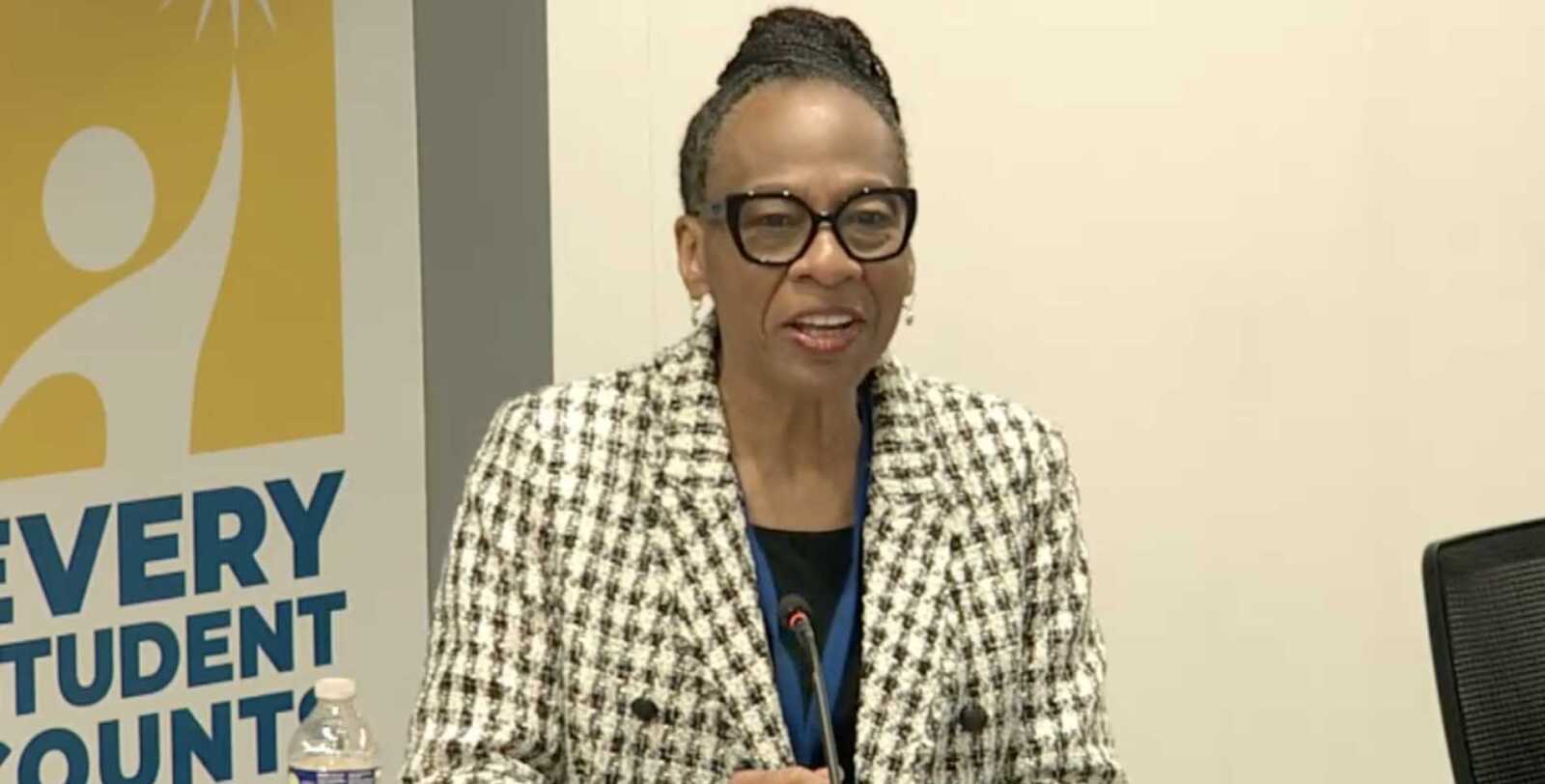
“We did identify some problems, primarily relating to training — what’s proper, what’s not proper — making sure that we have a more defined chart of accounts, and again, making sure that we have stronger controls over what’s being purchased and how it’s purchased,” Alice Blount-Fenney, the school system’s internal audit director, said during the Arlington School Board’s Sept. 5 meeting.
In response to the audits, APS officials have committed to implementing reforms. Planned steps include enhanced staff training, stricter documentation requirements and a comprehensive review of vendor contracts to ensure proper safeguards are in place.
While the audit team found no major cases of financial mismanagement, the review found several transactions that lacked proper documentation or approvals.
One of the biggest issues involved the use of purchasing cards (P-cards), which employees used to charge $4.75 million in work-related expenses over 18 months. An audit sampling of $430,792 of these charges found that many lacked necessary paperwork or approvals.
For example, some travel expenses didn’t include receipts, while some supply expenses didn’t specify what was purchased.
In some cases, employees used personal credit cards and were reimbursed without following proper protocols. In one instance, a teacher was reimbursed nearly $2,000 for hotel rooms and train tickets for family members without proper documentation.
The report recommended stricter oversight of P-card usage, including more rigorous documentation, more explicit guidance on allowable purchases, and stricter approval processes. It also called for additional training to reduce the risk of unapproved or undocumented spending.
A School Activity Fund audit uncovered similar financial management problems.
Treasurers managing these funds lacked clear guidelines on allowable expenses, leading to questionable spending, according to the report.
For instance, one treasurer categorized a $360 restaurant charge for appetizers as “teacher supplies.” The audit also revealed that treasurers could make transfers and purchases without a second review, increasing the risk of misuse.
Additionally, some treasurers handled large amounts of cash without proper security measures. In one case, a treasurer biked to the bank with cash deposits.
Another red flag was the discovery of large reimbursements, including $6,400 given to a teacher for student trip meals, which were distributed as cash.
A separate audit flagged issues in the transportation department’s fuel management systems.
The audit found that APS doesn’t enforce limits on how much fuel could be dispensed, allowing employees to pump more than the maximum amount allowed. Moreover, the Memorandum of Understanding with Arlington County governing fuel usage hadn’t been updated in over 25 years, creating risks of untracked or excessive fuel consumption and potentially costing the school system thousands of dollars.
At last week’s meeting, Blount-Fenney noted that APS and Arlington County plan to collaborate on implementing stricter oversight and improved technology for fuel tracking and management.
“Both parties, the county and APS, are in discussions now on how to improve the current fuel management system to make sure that we’re dispensing fuel the way we should into the appropriate vehicles,” she said.
