This regularly scheduled sponsored column is written by Carolanne Korolowicz, Arlington-based Realtor and Arlington resident. If you would like to work with Carolanne in Northern Virginia and the greater D.C. Metro area, you can reach her directly at [email protected].

As Spring peaks, Northern Virginia features flowering azaleas, dogwood canopies, and pesky dandelions. Manicured lawns flaunt along neighborhood streets, and Mother Nature continues to outshine in parks, trails and the spaces in between.

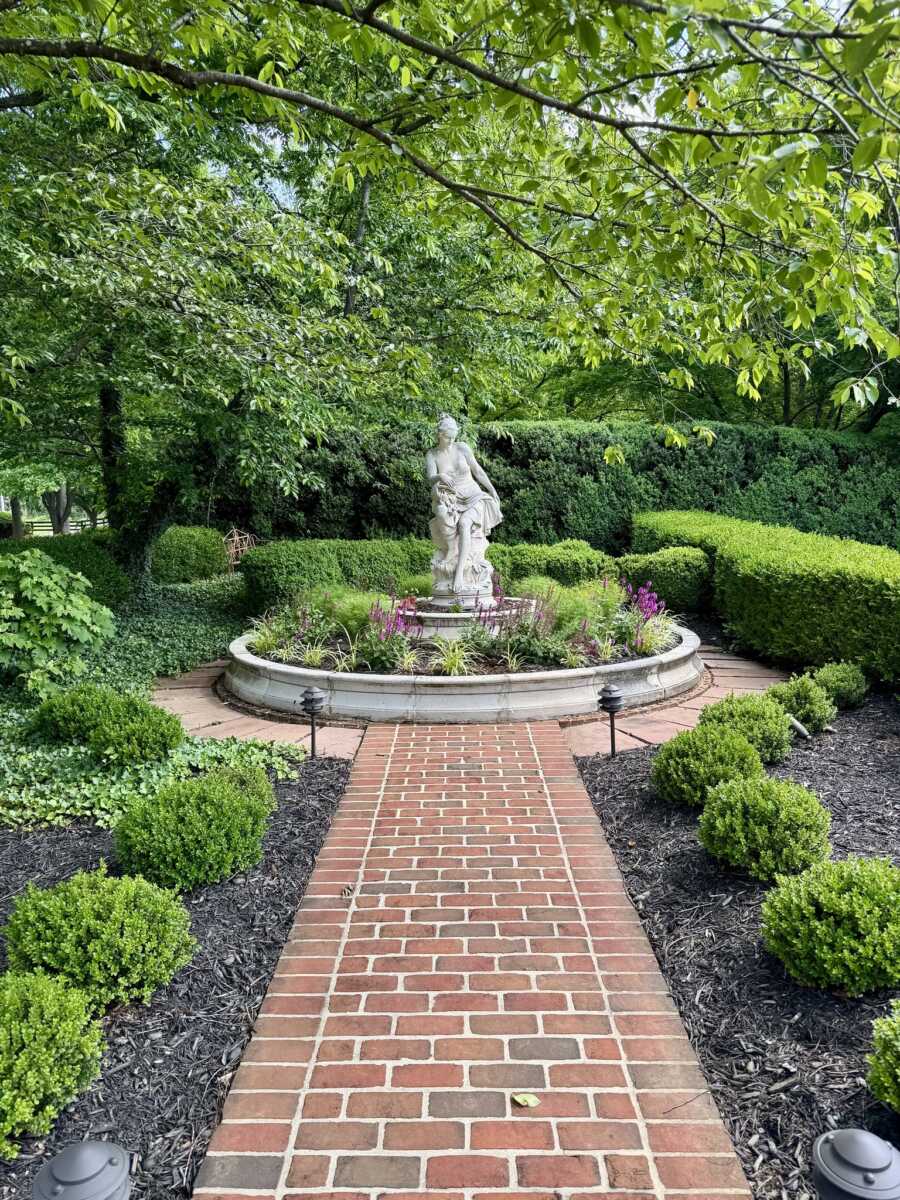
Home to a plethora of flora and fauna, Virginia has a long history of impressive grounds. The “Mother of Presidents” could also tack on, “and Their Gardens.” Many of these impressive natural displays are publicly accessible, but many of these gardens rooted in history are found at private residences. The Garden Club of Virginia (GCV) devotes an entire year of planning and preparation for their signature event, Historic Garden Week, to give the public a peek behind the fence.

Photo Courtesy of The Garden Club of Virginia

The annual event is divided by region and tours span over the week (April 18–25). Northern Virginia kicks off in Old Town Alexandria this Saturday from 10:00 AM–4:00 PM. Tickets include tours of five rowhomes’ grounds, admission to Mount Vernon Estate and Gardens, and complimentary refreshments. (more…)


This regularly scheduled sponsored column is written by Carolanne Korolowicz, Arlington-based Realtor and Arlington resident. If you would like to work with Carolanne in Northern Virginia and the greater D.C. Metro area, you can reach her directly at [email protected].

For close to a century, the Arlington County Public Library system has been a robust resource for the community.  With eight full-service locations, over 84,000 active patrons take advantage of the over two-million item collection, filled with both physical and digital materials. One of the promises of the Arlington Public Library is to provide a “third space” for innovation, conversation and community. With 5,000+ programs and events, Arlingtonians from infancy to retirement have a welcoming space to explore. From storytimes, The Shop, book clubs, and informative First-Time Homebuyer Workshops (shameless plug), no resident’s special interest is left behind.

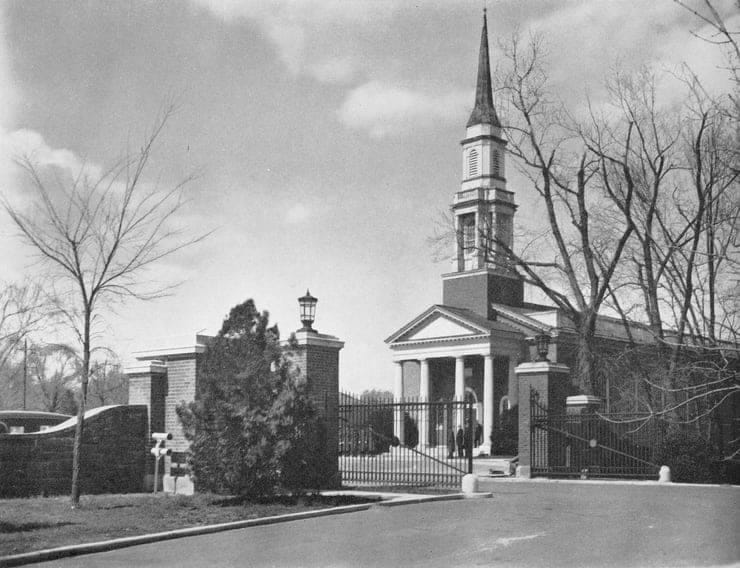
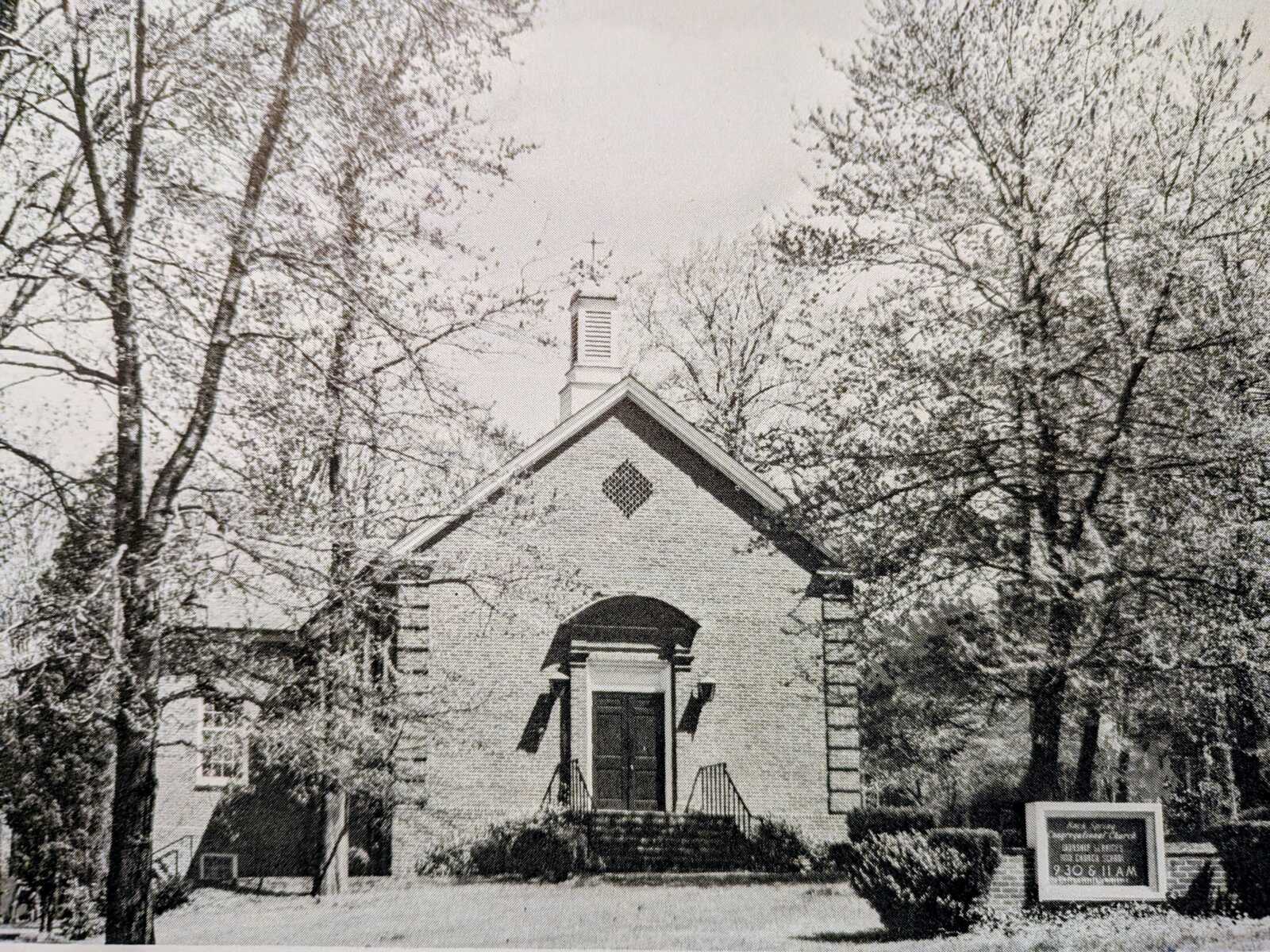
Rock Spring Congregational Church, Circa 1950s.

(more…)


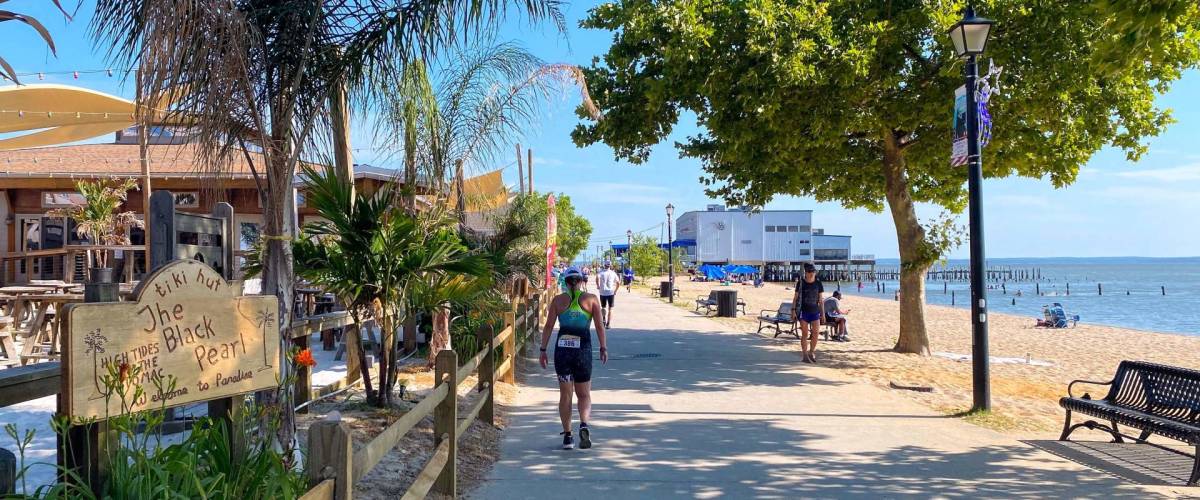
Image from Colonial Beach: Washington's Potomac Playground

This regularly scheduled sponsored column is written by Carolanne Korolowicz, Arlington-based Realtor and Arlington resident. If you would like to work with Carolanne in Northern Virginia and the greater D.C. Metro area, you can reach her directly at [email protected].

As the snow steadily fell, the temperature continued to plummet, and the ice encased the ground, I couldn’t help but dream of warmer days. Curled up on my couch, I escaped by scrolling Zillow and envisioning myself on a rocking chair with a water view. Deciphering my future vacation home, I thought the following, “Cancun is too distant, Florida’s weather is too unpredictable, and Rehoboth is too crowded…leaving the only option; Colonial Beach, Virginia.”

Though my previous statement is mostly in jest, Colonial Beach is honestly one of the area’s best kept secrets. Located just 85 miles from Arlington, the river town is low-key enough for a day trip and activity-filled enough for a long weekend. My parents recently purchased their get-away just steps from the Potomac River (the body of water that the beach is off of). They have found it to be a reprieve from city-life, a fantastic place to host all ages, and home to a great community of locals, part-timers, retirees and business owners.

(Colonial Beach Boardwalk, Photo: Virginia.org) (more…)


This regularly scheduled sponsored column is written by Carolanne Korolowicz, Arlington-based Realtor and Arlington resident. If you would like to work with Carolanne in Northern Virginia and the greater D.C. Metro area, you can reach her directly at [email protected].

Anyone who commutes into Washington understands why Rosslyn has been coined “The Gateway.” It’s a small taste of what you are about to enter after leaving the Old Dominion. The enclave is home to multiple Fortune 500 companies, swanky dining concepts and residents looking to be DC-adjacent, and for the rest of us– a part of the commute slug. Now a shining example for the county, Rosslyn started off more like a stubborn stain.

Rosslyn’s documented history began on an endearing note with a father, Joseph Lambden, purchasing a substantial portion of property for his daughter and her husband, Carolyn & William Ross, in 1860. The property would be christened “Rosslyn Farm.” Their newlywed nest didn’t last long. With the occupation of Arlington by Federal troops and disturbances of the Civil War, the couple had moved to France and officially sold the property to the Rosslyn Development Corporation in 1869.  (more…)


This regularly scheduled sponsored column is written by Carolanne Korolowicz, Arlington-based Realtor and Arlington resident. If you would like to work with Carolanne in Northern Virginia and the greater D.C. Metro area, you can reach him directly at [email protected].

This holiday season marks my first as a toddler mom. The concept of Santa and the significance of the celebrations are far beyond my son’s understanding, but the themes, images and magic are starting to click. Besides the constant supply of sugary treats, my son is mesmerized by the glow of a Christmas light.

As someone whose holidays have always been spent in Arlington, I wanted to relive my earliest memories of driving around sleepy neighborhood roads to see displays of holiday cheer. My husband and I packed up the kids, my brother joined too, to experience the nostalgia and see Christmas through a child’s eyes.

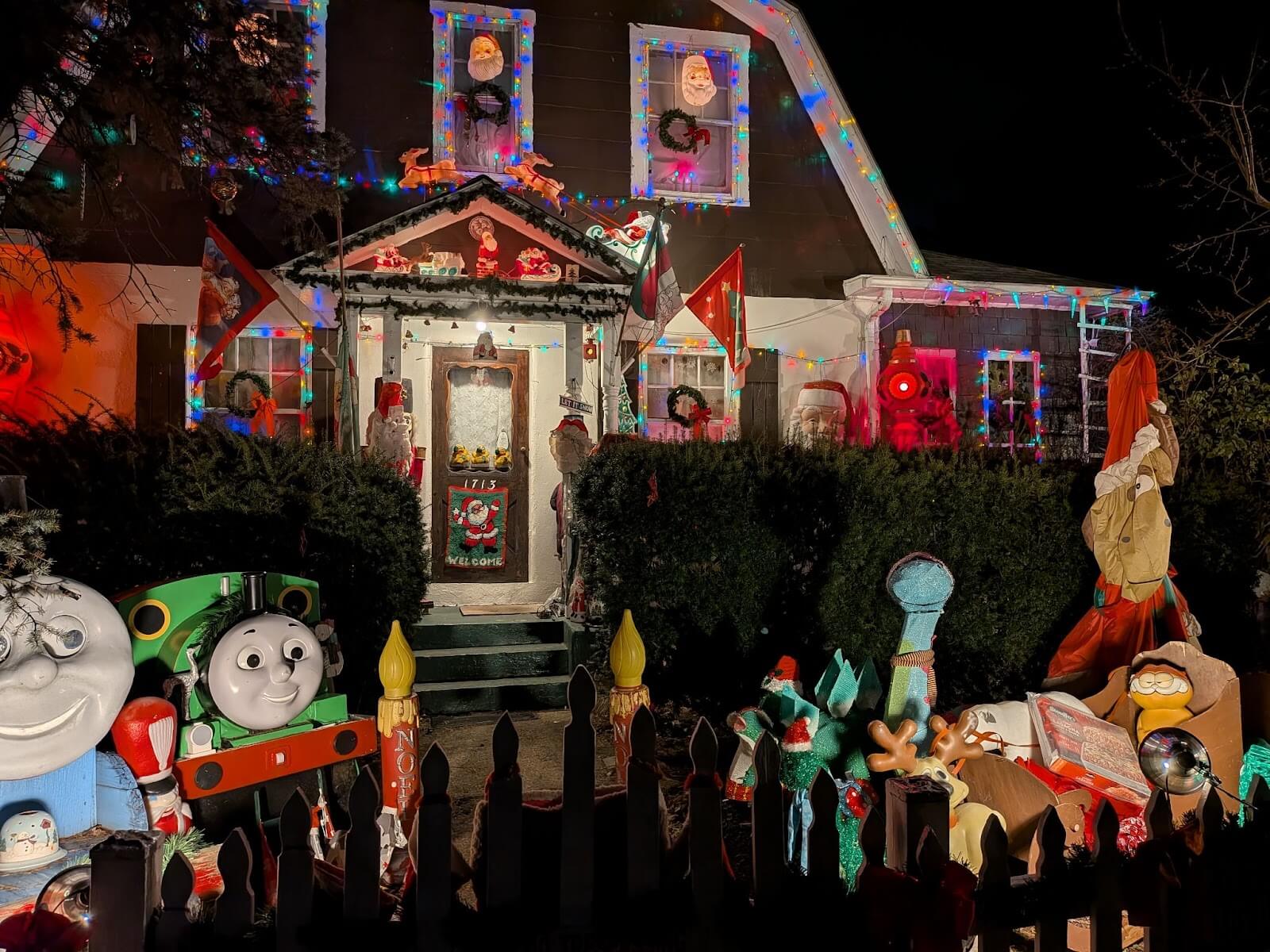
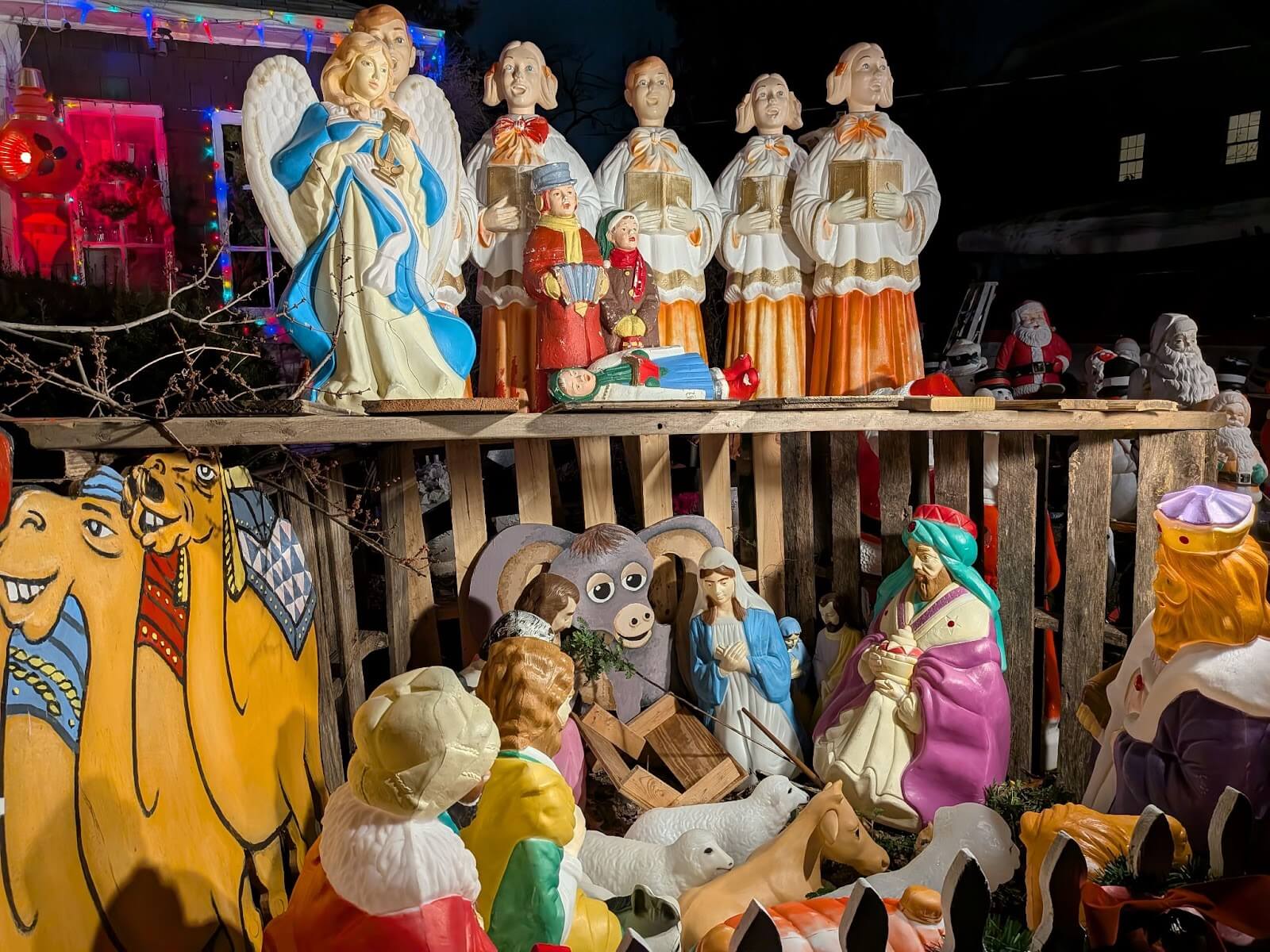
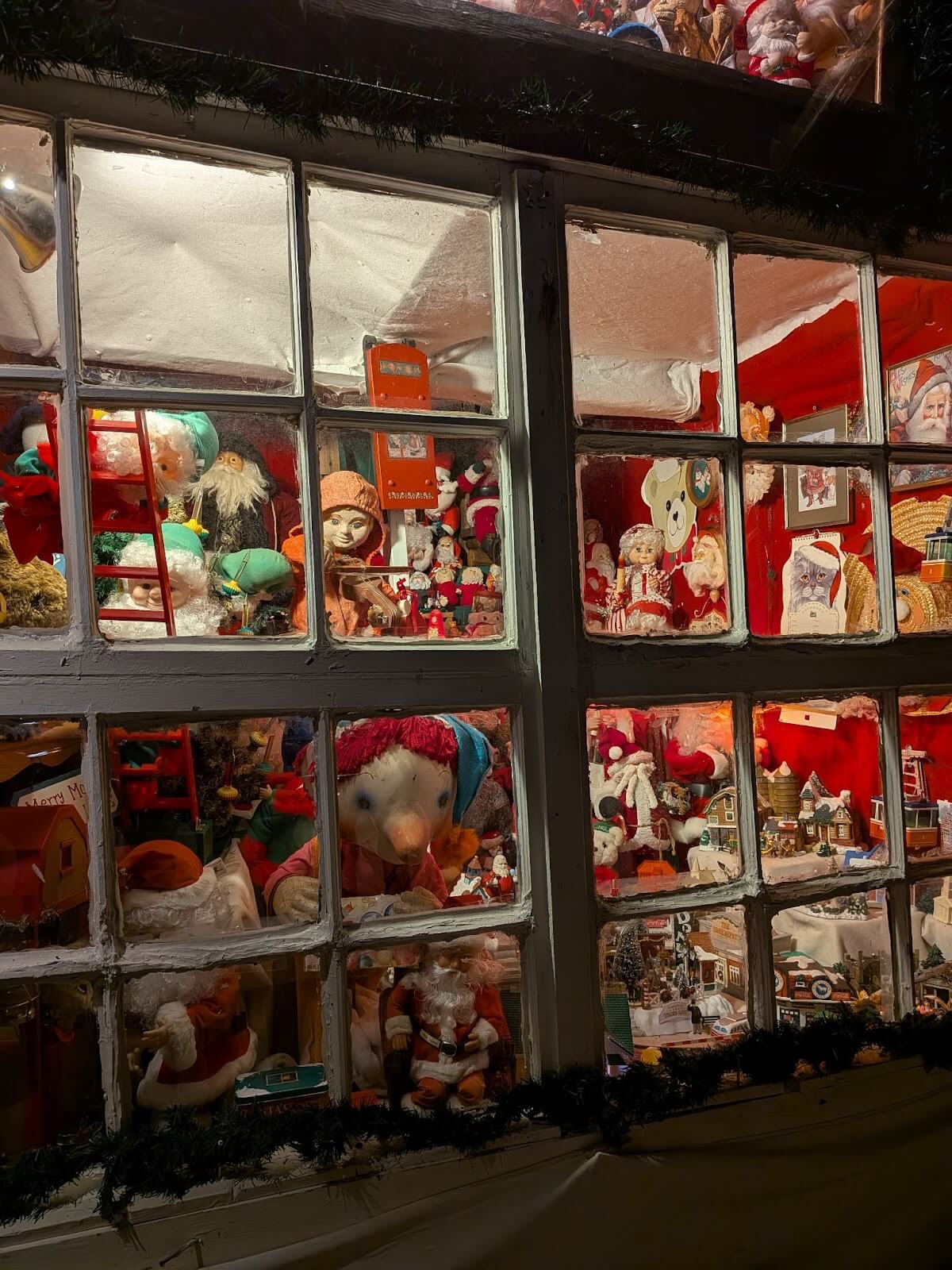
Of course, the first stop was 1713 N. Quebec Street, the famous “Christmas House”. For over 30+ years, the owner – who is considered an unofficial resident historian – has created a winter wonderland in the heart of Cherrydale. Built in 1898, the Dutch Colonial acts as the perfect backdrop for this temporary Santa’s Workshop.


My son was lifted up to overlook the vast array of vintage Santas, a life-size Thomas: The Train Engine, Garfield with his lasagna in tow, and a toy-shop window display. As I look out onto the scene I’ve admired for three decades (many years where I, too, had to be held up to get a decent view), the magic was less about the mythical characters, but the humans behind it. First, the logistics of pulling this off year after year are impressive. But mostly, I was taken aback by the dedication and gift these neighbors continue to give. (more…)


This regularly scheduled sponsored column is written by Carolanne Korolowicz, Arlington-based Realtor and Arlington resident. If you would like to work with Eli and his team in Northern Virginia and the greater D.C. Metro area, you can reach him directly at [email protected].

I hate to admit it, but I was completely consumed by McDonald’s resurgence of Monopoly. For those who don’t frequent the drive-thru; diners collect Monopoly pieces (stickers) with purchases for a chance to win various prizes. Luckily, I got sick of Big Macs before I had to call 1-800-GAMBLER. Though the contest had me on the verge of a clogged artery or debt, it sparked the idea for this week’s article.

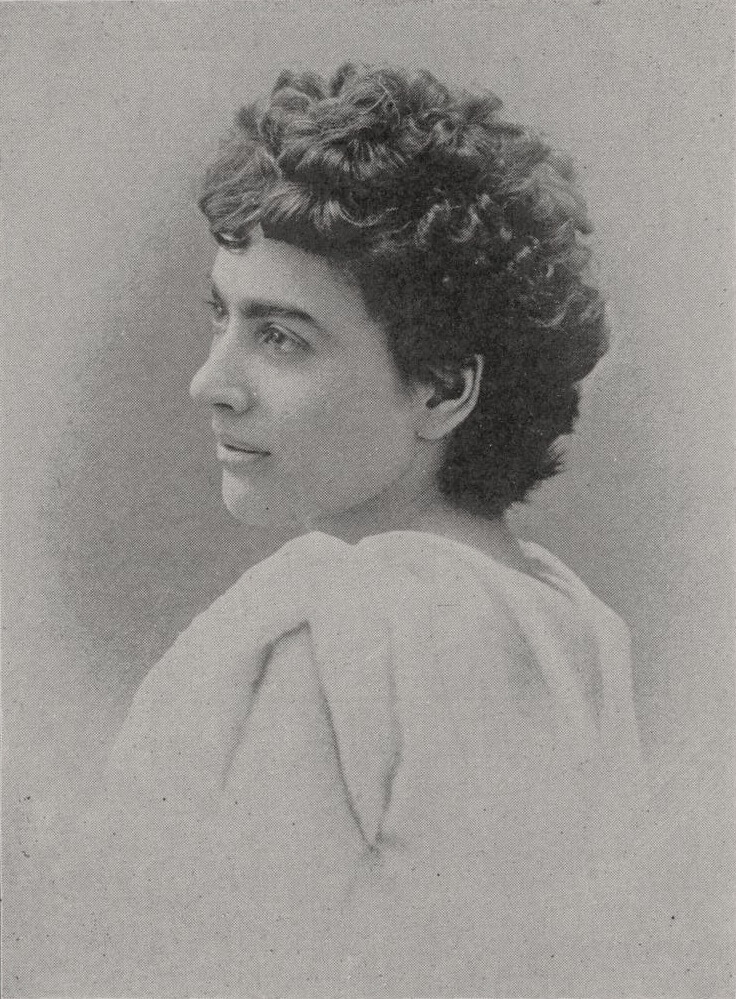
Monopoly has expanded from a tangible board to a virtual world with Monopoly GO!, but did you know that the game’s origin story of a “down-on-his-luck business man creating a board game to help his family during The Great Depression” was just a farce? The idea for the real estate empire pastime is actually credited to Lizzie Magie, an Arlingtonian.

Portrait of Lizzie Magie

(more…)


This recurring Real Estate feature is sponsored by The Eli Residential Team. Their mission is to guide, educate, and advocate for their clients through real advice, hands-on support, and personalized service. This week’s post is written by Carolanne Korolowicz.

In Arlington, the contention between urban development and environmental preservation is ever present. Citizens went to bat to save Arlington’s tree canopy during the Missing Middle debacle, there are environment-focus ballot measures almost every election, and plenty of local associations with a mission to preserve the county’s green landscape. But, did you know that debating over trees is actually an Arlington tradition? Before boundaries were even drawn, trees have been at the center of almost every development project.

On October 21, 1767, the stage was set by John Carlyle and Charles Alexander. The two prominent figures went to trial to dispute whose land (modern day Arlington and Alexandria City) was whose. Twenty-four witnesses gave their testimonies about the land boundaries defined by tree markers. Many of these witnesses were quoted mentioning the trees’ ages, whether they had been marked as line or corner trees, and the type of instrument used. With tree-defined boundary lines, the testimonies became a source of confusion rather than clarity.

In other historical accounts, it is clear that the DC-area forefathers viewed trees as part of the area’s heritage. A friend of Thomas Jefferson wrote, “Nothing affected Mr. Jefferson like this wanton destruction of the fine trees scattered over the (Federal) City grounds.” The friend also stated that Jefferson himself once said, “The unnecessary felling of a tree, perhaps the growth of centuries, seems to me a crime little short of murder.” As obvious by these statements, the conservation cause has always been one of great passion.

(A part of George Washington’s Oak Tree Displayed at The Glencarlyn Library, Photo: ArlingtonHistorical.com)

The acknowledgement of prominent trees has been documented over the centuries. George Washington’s survey oak in Glencarlyn being one of the first. Later in 1860, a large, anciently marked poplar tree was noted to be a landmark for the Cherrydale Neighborhood, but was cut down for the Washington and Old Dominion Railway in 1912. George Nicholas Saegmuller, an original owner of “Reserve Hill”– today’s Knights of Columbus Arlington Headquarters– planted a strip of evergreen forest from LIttle Falls Road to Old Dominion Drive as a homage to his homeland of Germany. Most importantly, the first tree to be given protection was one of the oldest oak trees of the Nation at the Grunwell Estate, located in Country Club Hills, in the late 19th century.

(A Champion Ash tree in Barcroft Park being measured, Photo: Arlington County)

Citizens acting as stewards of wildlife are deeply rooted in the makeup of Arlington. This symbiotic relationship remains today through the Forest and Natural Resources Commission’s Notable Tree Nominations. Since 1987, the volunteer-led program has awarded over 400 significant trees and their caregivers. In 2024, eleven trees were selected, including four on Fort CF Smith, six in North Arlington and one located on the corner of Columbia Pike and George Mason Drive. Though not legally protected, the status has proved helpful when communicating the importance of conservation during development projects.

What makes for a notable tree? The committee looks for these three items: size, neighborhood value, and uniqueness. Nominations are due every year on October 31st – so it’s not too late to submit! For legal protection, an application must be submitted for a ‘Specimen Tree’ through the Trees and Shrubs Ordinance. This designation requires tree conservation and protection if development of a site occurs. Violations result in a civil penalty of up to $2,500. Applications are due September 30th every year.

(A 2024 Notable Tree Winner: Deodar Cedar on Fort CF Smith, Photo: Arlington County)

As headbutting between developers and “tree-huggers” continues on, Arlington County has made efforts in favor of the area’s ecosystem over the decades. The citizens hold the power to improve these protections. Nominating trees for significance, or legal protection, is the easiest way to make a difference.

To quote the late local historian Eleanor Lee Templeman, “Although Arlington County has already lost a great deal of its forests through careless development of subdivisions, an awakened public concern over this priceless heritage will save a great deal of remaining beauty. Our stream valleys and palisades still possess true wilderness areas which must be preserved for posterity.” (Arlington Heritage: Vignettes of a Virginia County, 1959)


This regularly scheduled sponsored column is written by Carolanne Korolowicz

Every Arlingtonian knows the slog down 395, the bumper to bumper on Route 50, and the jam on 66, but we should consider ourselves lucky to live in a time with a fairly efficient and well-oiled commuter system. The county had a long history of various modes of transportation before the automobile and bus systems of today.

At the beginning of the 19th century, citizens journeying to Richmond would endure a 38-hour trip by horsedrawn coaches. By 1815, this was dramatically reduced down to 24 hours thanks to an overnight steamboat running from Aquia Creek to the Federal City. Twenty years later, a rail line from Fredericksburg to Potomac Creek was chartered— at a lightning speed of 10 miles per hour! Rail lines began popping up around the greater D.C. area making for quicker travel for both freight and passengers.

A Washington-Virginia Railway Company trolley on the Nauck Line (circa 1909).Photo Courtesy of the Penrose Neighborhood Association

One of the biggest impacts on Arlington’s development was the creation of a passenger trolley line. Starting in 1896, The first trolley line went from Rosslyn to Fort Myer. Like transportation years before, the first trolley car was literally horse-powered. The horse would pull the car up the hill and then would coast down on the back platform. Later on, motor-powered cars came into play, and the Rosslyn trolley connected with multiple new lines, which created the blueprint for many of the major roads we drive today, including Washington Blvd. and Fairfax Drive.

The trolley helped turn rural areas into the start of suburban neighborhoods. By the turn of the century, the Historic Penrose Neighborhood grew into a thriving working-class neighborhood thanks to it becoming the epicenter of commuter line connections. Hunter Station, positioned on the corner of 2nd St. and S. Wayne St., was where the trolley line would meet the Washington-Virginia line, a direct connection to the city. The trolley lines, unfortunately, went out of business by 1939 when automobile and bus travel became more prevalent.

Hunter Station, Courtesy of Megan McMorrow, Long & Foster

After the fall of the rail system, Hunter Station became a private residence. The property’s current owners purchased the property in 1977. Over 45 years later, the residents are now selling the property to a new “conductor”. Listed by Long & Foster, this over 2,500 square-foot property is currently listed for $899,000. If owning an unconventional home, or a home considered a landmark by neighbors, is of interest, you won’t find too many other opportunities within county lines.

Penrose has a rich history that its citizens take pride in. The trolley has become the community symbol and can be found on the neighborhood identification signs. The Mr. Rogers-esque charm of a neighborhood trolley isn’t the only remarkable trait of this South Arlington enclave. The Penrose Neighborhood Association has traced their history all the way back to 1649. From English settlers, Civil War battles, the establishment of Freeman Villages, to 20th century telecommunications — Penrose has a story.

Other Current Listings in The Historic Penrose Neighborhood:

  • 304 S. Veitch Street
    2 Bed/2 Bath, $685,000
    Presented by Sean Judge, Real Broker LLC
  • 507 S. Adams Street
    5 Beds/5.5 Bath, $2,250,000
    Presented by Kristen Schifano & Lindsay Stuckey, RLAH @properties
  • 2028 6th Street S.
    2 Bed/3 Bath, $605,000
    Presented by Beate Whitesell, Wilkinson PM LLC

Does your Arlington home have a story? I would love to highlight it! Please email me at [email protected]


This regularly scheduled sponsored column is written by Carolanne Korolwicz

As the scorching days of summer come to an end, we welcome days of comfortable temperatures, changing landscapes, and hot coffee. One of the most tranquil ways to celebrate cooler days is to take advantage of the nature trails in Arlington County.

Home to over 15 trails, residents can find these mini escapes within walking distance. West of Arlington may be known for their natural wonders, but nothing beats rolling out of bed, getting shoes on the kids, a leash on the dog and just having to get out the front door.

If being a little closer to wilderness, without the bad wi-fi and commute, is appealing to you, the real estate market has a plethora of homes that make “touching grass” a reality within Arlington’s urban landscape.

Bluemont Junction Trail

Trail at Dawson Terrace Park

Trail at Donaldson Run Park

Long Branch Nature Center

Lubber Run Park

This is just a glimpse of the homes available a stone’s throw away from the county’s well maintained trails, parks and creeks. Looking for more options around your favorite local getaways? Let’s chat! Feel free to email me at [email protected].


This regularly scheduled sponsored column is written by Carolanne Korolwicz

Arlington’s current architectural make-up often brings to mind the “Giant White House” or luxury apartment complexes that tend to overshadow (literally and figuratively) the rich inventory of historic homes. Arlington’s notable properties act as tangible reminders of the county’s centuries-old history, while the owners act as stewards in preserving yesteryear.

Arlington currently has 39 Local Historic Districts (LHD) with 14 being privately-owned residential properties, while The National Register of Historic Places recognizes an even greater list of Arlington structures and neighborhoods. With the LHD title the historic character of these sites is maintained through a design review process, which requires the review of any exterior modifications, new construction, or demolition.

A number of these properties are owned and operated by the county, but the majority of the single-family residences act as “home” to fellow citizens. Preservation is a responsibility, but the benefits greatly impact Arlington’s future.

Alcova, Built c. 1860, sold in 2018 for $1,370,000

Why purchase, or apply for, a historic designated home?

Owning a property dating back centuries may seem like a risky investment, but according to the Arlington Historic Preservation webpage, historic designations have been linked to higher resale and increased property values compared to properties and neighborhoods outside of historic districts. As well, historic designations have proven to be community stabilizers that create a sense of pride and heritage among residents.

Broadview, Built 1881, Sold in 2016 for $1,195,000

How does a home obtain historic status?

First, it is suggested to research the property. There are many resources and tips on where to start on the Arlington Government, Arlington Preservation and The Arlington Historical Society websites.

The next step is to apply to request a property review by the Historical Affairs and Landmark Review Board (HALRB) where the property must meet two of the 11 designation criteria to be eligible. The requirements are looking for historical relevance through design, craftsmanship, events, or the people associated with the property. In conjunction with the owner, the committee compiles a research report along with design guidelines.

Lastly, once HALRB recommends designation, the decision is volleyed to The Planning Commission and The County Board who have final approval. The multi-step process takes multiple months to complete – history takes time!

The Hermitage, Built in 1931, Sold in 2010 for $1,122,500

What happens next?

Other than bragging rights, there are financial perks! The costly downside of maintaining an older home can be alleviated by rehabilitation tax credits on the state and federal level. Virginia allows for owners to claim 25% of approved rehab costs (permits, construction costs, mechanical updates, etc.). Another option is to enter into a Preservation Easement which is considered a charitable contribution for federal income and estate tax purposes.

When an Arlington property becomes a LHD, the owner is entitled to design review assistance and Certificate of Appropriateness (CoA) approval. This helps maintain architectural integrity by setting guidelines around exterior, new construction and demolition. No need to fret– an owner does not need permission from HALRB for general maintenance, repairs or interior alterations.

Anderson House, Built in 1916, Sold in 1983 for $135,000

There are 23 nationally recognized historic neighborhoods within Arlington. If owning a piece of history or joining the preservation cause is of interest then these homes are a great place to start:

Ready to explore Arlington’s historic real estate market? Contact [email protected] to learn more about these exceptional listings and schedule private showings.


This recurring Most and Least Expensive Home feature is sponsored by The Eli Residential Team. Their mission is to guide, educate, and advocate for their clients through real advice, hands-on support, and personalized service. This week’s post is written by Carolanne Korolowicz

Here in Arlington, real estate is a spectator sport. Let’s take a look at some of the most and least expensive condos sold last month (June 2025).

Most Expensive Condos Sold

Least Expensive Condos Sold

*Minimum home value of $200,00 set to exclude certain land sales, retirement condos, properties with expiring ground leases, studio apartments, etc,

If you have any questions regarding these listings, or would like to schedule a private showing, please reach out to Carolanne Korolowicz.


This recurring Open Houses feature is sponsored by The Eli Residential Team. Their mission is to guide, educate, and advocate for their clients through real advice, hands-on support, and personalized service. This week’s post is written by Carolanne Korolowicz

Beat the heat at these open houses this weekend! From brick ramblers to high-rise living, these Arlington homes have one thing in common – air conditioning.

Single Family Homes

Townhomes

Condominiums