


Arlington school leaders have more work to do in sketching out how they might use public-private partnerships to construct new facilities in an era of fiscal constraints.
Superintendent Francisco Durán’s proposed fiscal 2027-36 capital improvement plan, unveiled May 14, makes reference to potential future partnerships to help defray costs of constructing and maintaining new facilities.
The proposal was light on specifics, and even School Board members appear to have more questions than answers at this point.
“It will be part of our work session on June 2,” School Board member Kathleen Clark said at the May 20 Joint Facilities Advisory Committee (JFAC).
At that meeting, school-system facilities staff laid out portions of Durán’s capital plan, which totals approximately $500 million in new and ongoing work.
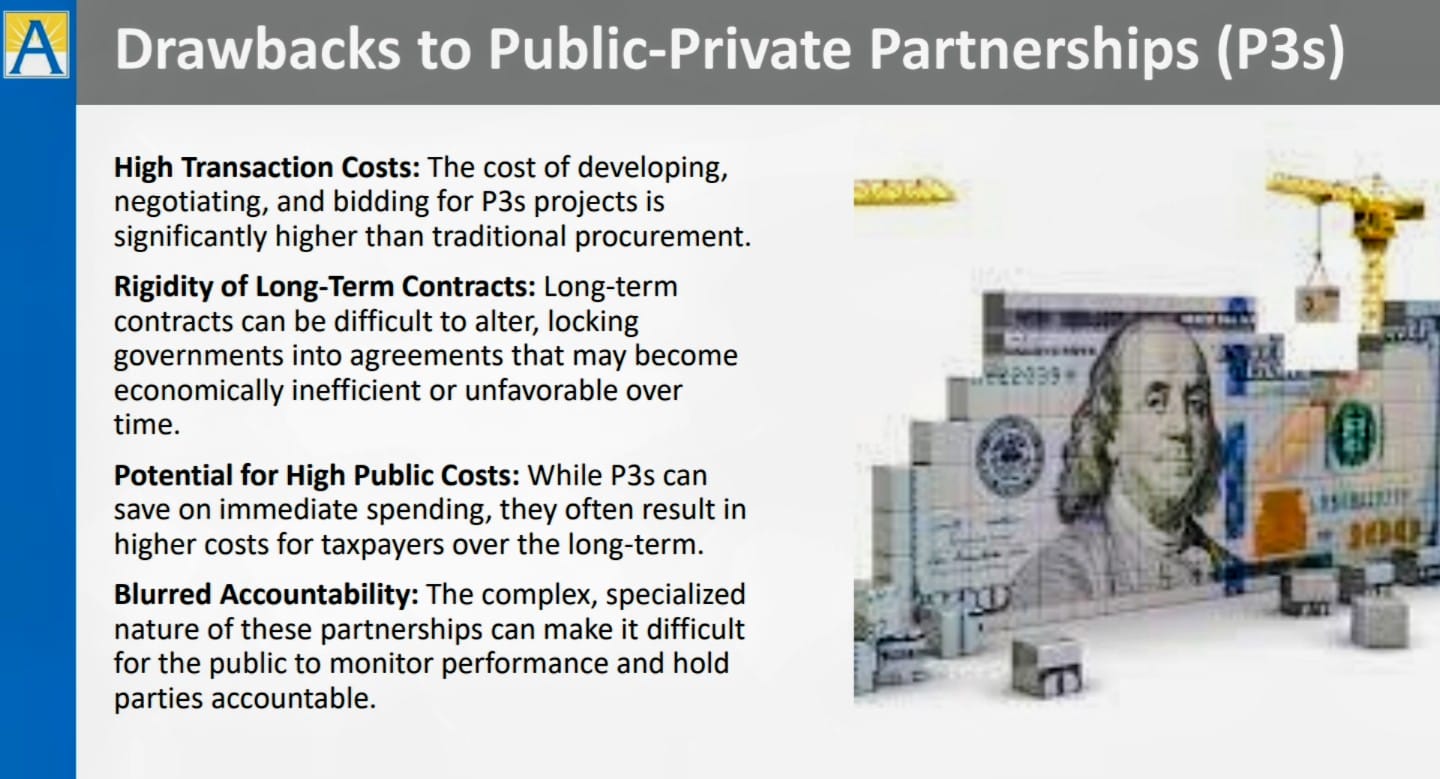
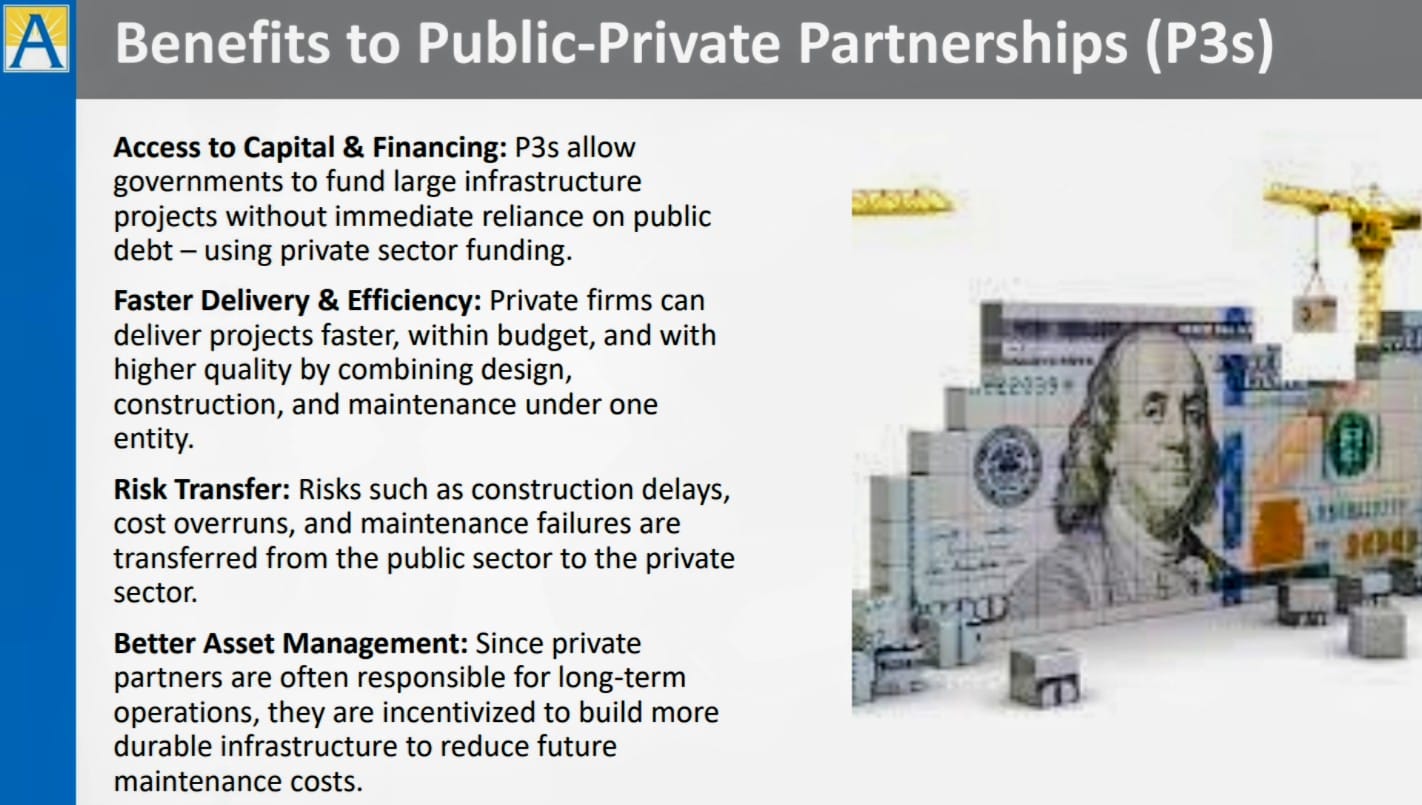
Public-private partnerships — called “P3s” — have numerous benefits but also can be problematic, staff said at the JFAC meeting.
Two of the largest concerns outlined in the staff presentation:
- “While P3s can save on immediate spending, they often result in high costs for taxpayers over the long term”
- “The complex, specialized nature of these partnerships make it difficult for the public to monitor performance and hold parties accountable”
What future school projects might possibly be considered for public-private partnerships remains to be laid out by APS leaders. But at the May 28 School Board meeting, chair Bethany Zecher Sutton said there should be no rush to embrace partnership or other new funding options without fully considering their implications.
“It’s appropriate for us to proceed with caution,” she said, “making sure we’re not heading down a road that may seem to have some near-term benefits but in the long run have some down sides.”
Durán’s plan calls for expansion and renovation of Thomas Jefferson and Swanson middle schools, but the nature of the work would seem to make them unlikely candidates for a partnership.
Given a lack of specific projects, “I don’t think there’s anything for us to comment on at this point,” JFAC chair Andy Greenwood said of the partnership concept.
The commission typically does weigh in on both the school system and county government’s capital plans, which are working their way through development phases on the way to adoption in coming months.
The school system’s CIP will be first on the agenda, with School Board adoption of a final package expected on June 18. County Board action on County Manager Mark Schwartz’s 10-year, $4.3 billion capital plan is slated for July.
Both plans anticipate a series of bond referendums going to voters in the fall. The county’s electorate has not turned down a local bond referendum in more than 40 years.
