

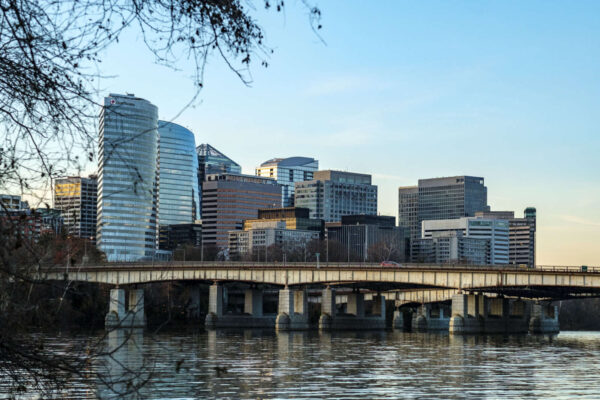
The Virginia Department of Health has lifted its remaining recreational water advisory for the Potomac River.
Today’s announcement ends restrictions that had been in place for more than a month following a massive sewage spill that sent millions of gallons of raw waste into the river.
The advisory had been partially lifted on March 5, but remained in effect for the stretch of the Potomac from the American Legion Memorial Bridge (I-495) to Chain Bridge. VDH said the lifting of that remaining advisory is effective immediately.
The massive sewage pipe that ruptured and leaked millions of gallons of raw waste into the Potomac River returned to operation Saturday (March 14) after the completion of emergency repairs. DC Water, the utility that runs Washington’s water and sewage systems, reported that it had completed testing to determine whether the 72-inch diameter pipe could handle the flow.
“Full flow has been restored and the C&O Canal has been fully drained as part of site restoration,” DC Water said in a post on X. “Since Jan 19, crews worked around the clock to stabilize the site and protect the Potomac River.”
Water quality sampling by the Virginia Department of Environmental Quality and partners in Maryland and D.C. found bacteria levels in the river outside the immediate spill site are at acceptable levels for all recreational water use, according to VDH.
The Potomac Interceptor ruptured on Jan. 19, sending 250 million gallons of untreated sewage into the river just north of the nation’s capital over the first five days. The spill occurred in Montgomery County, Maryland, along Clara Barton Parkway, near the Chesapeake and Ohio Canal National Historic Park.
It became a serious environmental issue and the focus of political bickering between Republican President Donald Trump and Democratic-led Maryland.
VDH first issued the advisory on Feb. 13 out of caution following the spill and subsequent discharge reports in early February. The spill prompted a push from the D.C.-area congressional delegation for more federal funding for sewer infrastructure repairs.
D.C. mayor Muriel Bowser declared an emergency Feb. 18 and requested that Trump provide federal resources, days after he chided Democratic leaders in Maryland, Washington and Virginia for not requesting help. He approved the emergency assistance quickly to help the city address the emergency.
Drinking water was never in jeopardy, but recreational use by anglers, boaters and others on the Potomac has been closely monitored because of concerns over the presence of deadly bacteria that can be passed along through direct contact with the water.
A class action lawsuit was filed March 6 in U.S. District Court in Greenbelt, Maryland, accusing DC Water of negligence. Plaintiff Nicholas Lailas, a Virginia resident and recreational boat user on the Potomac, is seeking compensation for people whose property interests in and use of the river have been impaired by the utility’s conduct, the lawsuit said. It did not specify a damage amount.
Betsy Nicholas, president of the Potomac Riverkeeper Network, said the situation “could have been so much worse given the vulnerability of our drinking water system” in the district, Montgomery County and Arlington County.
Nicholas said the incident highlights the need for ecological assessments and remediation efforts, including natural solutions such as freshwater mussels and native aquatic plants.
“We need assurances that this isn’t going to happen again, that there’s going to be full inspection of the entire remaining system,” Nicholas said.
Virginia residents should be aware that Montgomery County is maintaining an advisory for land areas impacted by the sewage overflow and portions of the river within 200 feet of the Maryland shoreline between Swainson Island and Lock 8, according to VDH. That area, closest to the spill site, is most likely to be affected by runoff, especially after storms, until all remediation efforts are complete.
The utility worked with the Environmental Protection Agency and other agencies to repair the leak and monitor the ecological impact on the river. Other work on the pipe and system could take months.
DC Water is holding a series of community meetings this week in Bethesda and Alexandria to discuss updates on the repair and environmental rehabilitation.
VDH said it will continue to monitor sampling data as it becomes available.

