


A second federal judge has blocked construction of President Donald Trump’s 250-foot arch in Memorial Circle, this time in a lawsuit brought by the Arlington County Board.
U.S. District Judge Leonie Brinkema issued the order from the bench in Alexandria yesterday (Friday). Her ruling came two days after a different judge in D.C. extended a previous order that blocked the Trump administration from breaking ground on the arch on a more temporary basis.
Brinkema’s injunction doesn’t have a specified expiration date. It keeps construction on hold indefinitely, according to the plaintiffs’ lawyers.
The County Board sued in October, claiming the project will exacerbate traffic congestion and jeopardize public safety in the county. County planning staff had raised traffic and pedestrian safety concerns about the arch over the summer.
“We are pleased that the court has recognized the irreparable harm that will come to people who live and work in Arlington and stopped the massive vanity project while our case is heard and considered by the court,” plaintiffs’ attorney Kate Talmor said in a statement after Friday’s hearing.
On Wednesday, U.S. District Judge Tanya Chutkan in D.C. extended a temporary restraining order keeping the project on hold until Dec. 3.
Chutkan first blocked the arch’s construction on Nov. 5. Her order came shortly after the National Capital Planning Commission, whose members are mostly Trump appointees, gave the arch its final approval in an 8-4 vote, even though dozens of witnesses opposed the construction.
The case before Chutkan was filed on behalf of Vietnam veterans and an architectural historian. It has since been consolidated with a suit from Virginia and D.C. Members of the Kennedy family filed a separate lawsuit, citing the impact the structure would have on Arlington National Cemetery, where family members are buried.
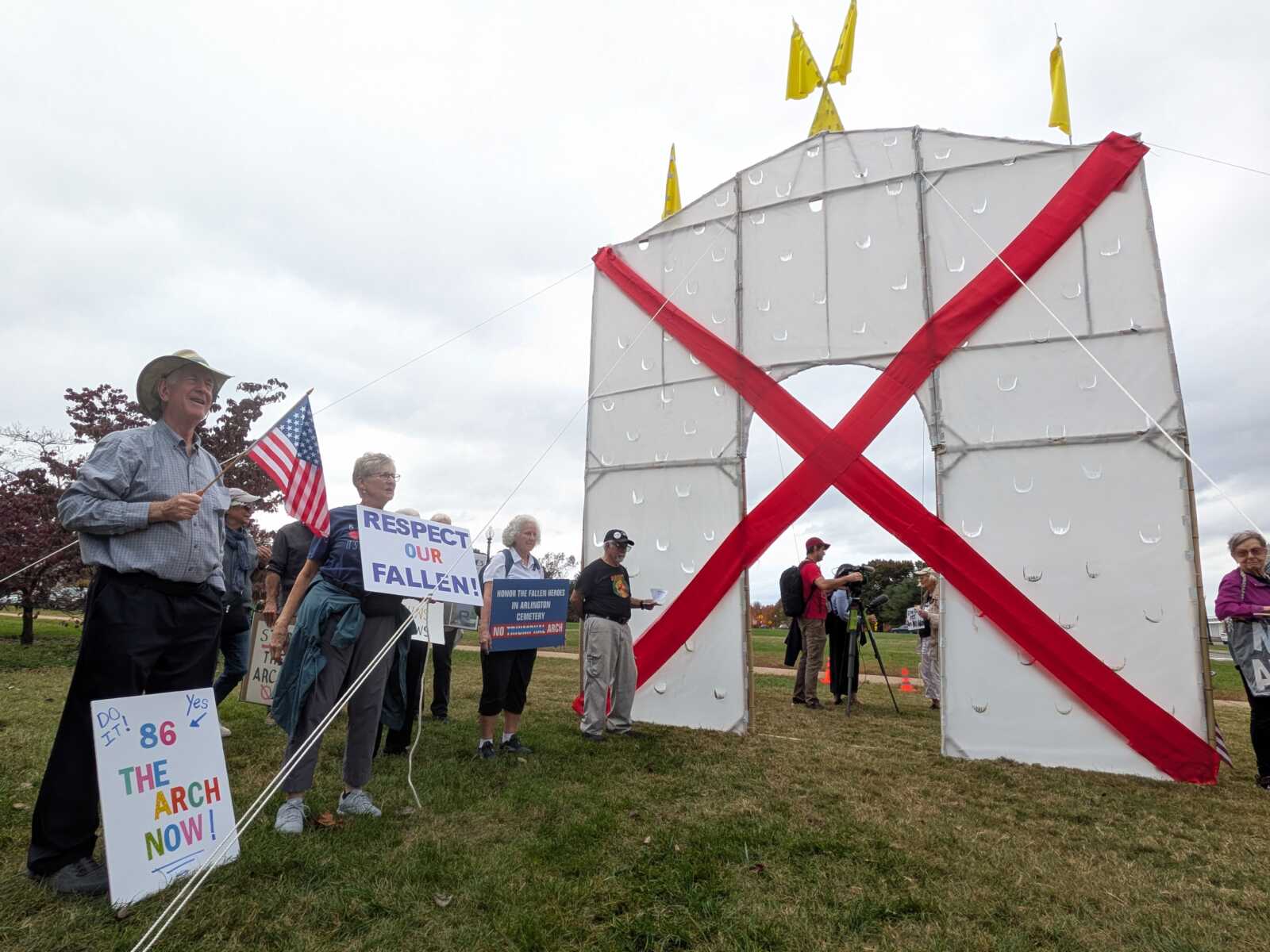
The arch is one of several projects around Washington that Trump, a Republican, has pushed to leave a personal imprint on the city’s historic landscape. At 250 feet, the arch would be twice the height of the Lincoln Memorial.
Brinkema was nominated to the bench by Democratic President Bill Clinton. Chutkan was nominated by Democratic President Barack Obama.
A fallen Marine’s father pushes back
As the legal fight plays out, veterans and the families of those buried at Arlington National Cemetery say the arch has no place so close to the burial grounds.
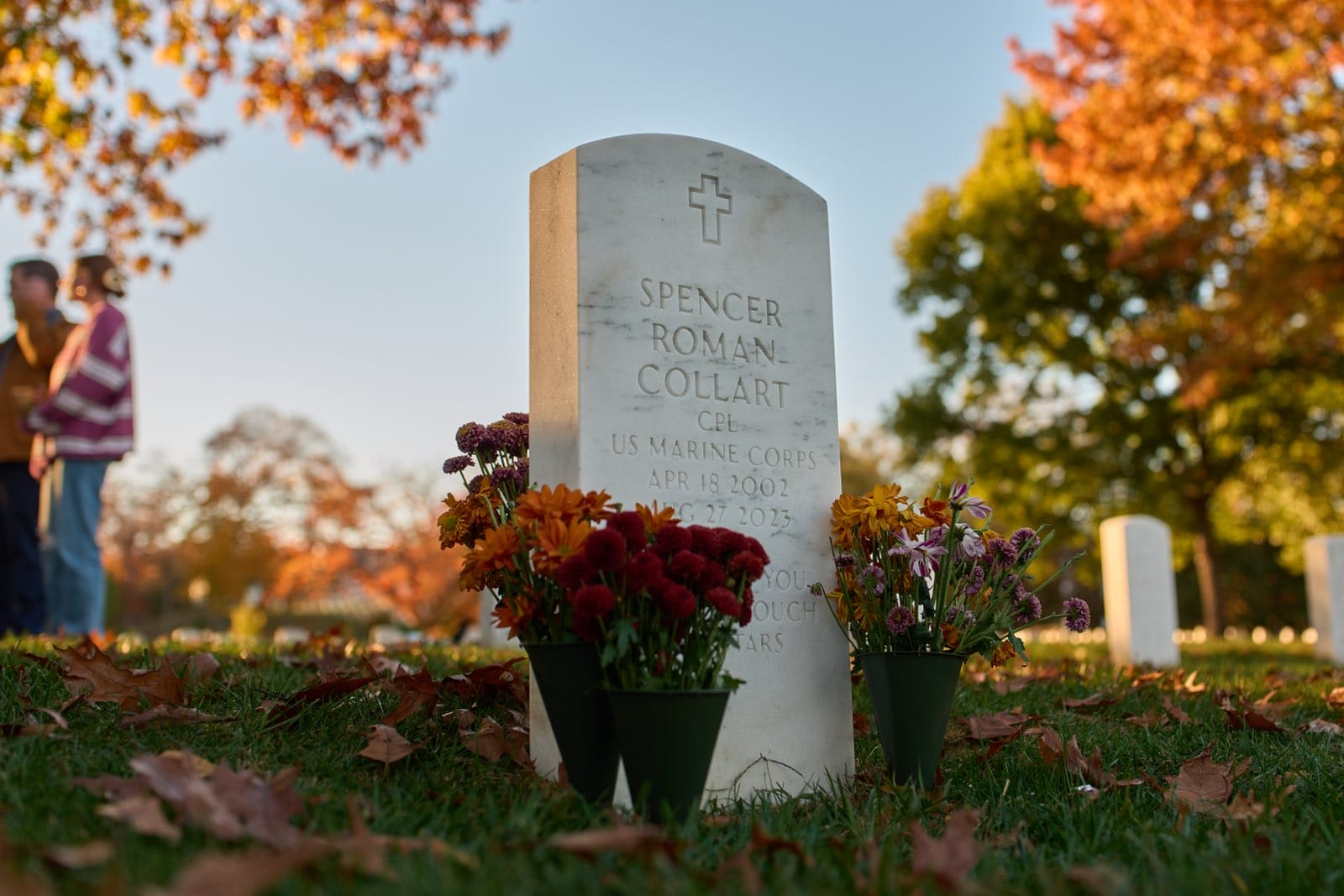
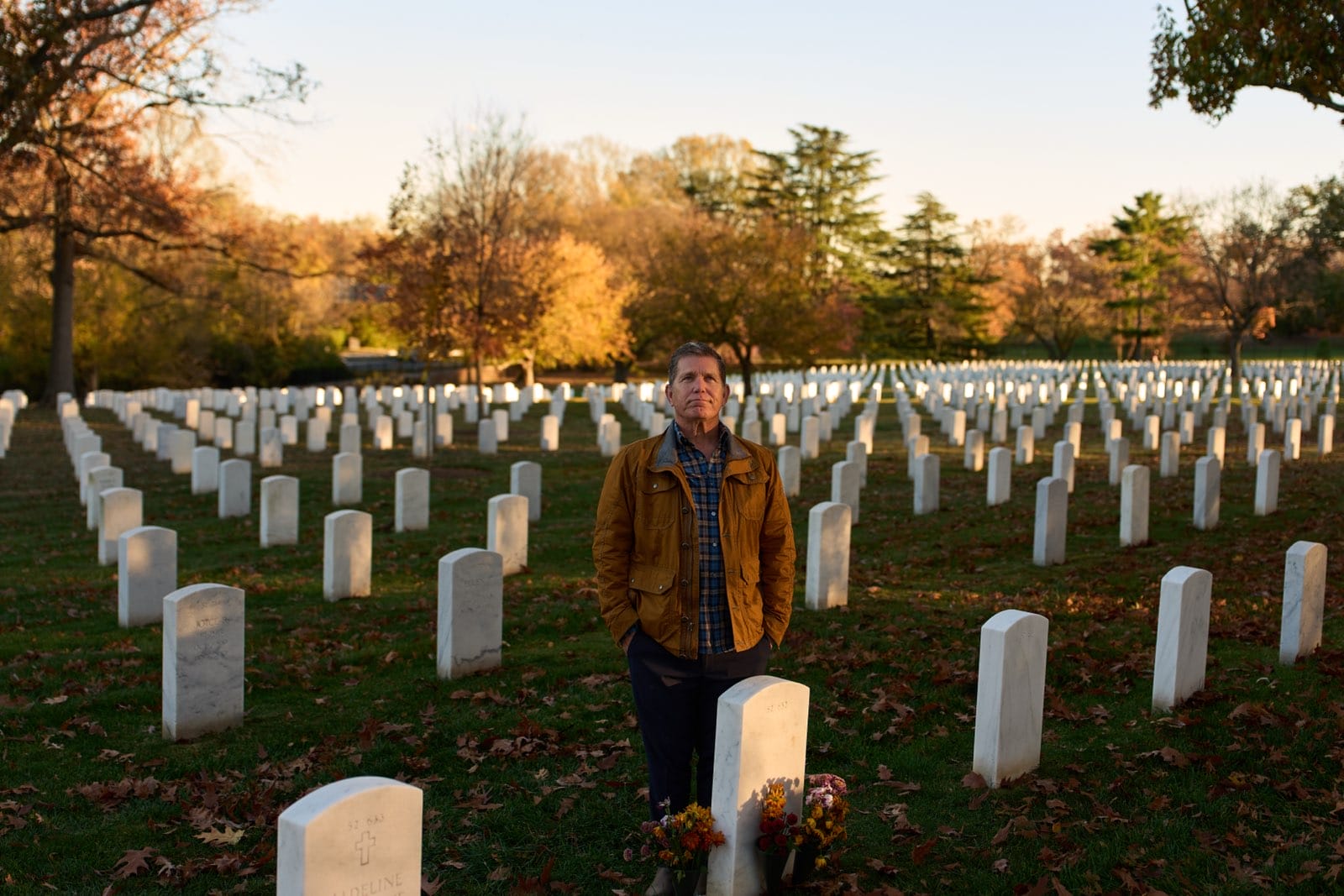
Among them is Bart Collart. His son, Marine Cpl. Spencer Collart, grew up in Arlington and graduated from Washington-Liberty High School.
Cpl. Collart’s headstone faces the rising sun and the Lincoln Memorial to the east. The Marine Corps War Memorial is nearby. Soon, Trump’s gilded, towering arch could be, too.
“It’s a billboard for an ego. It’s a loud, boastful, gaudy piece of marketing dropped onto sacred ground,” Bart Collart said. His son, he said, would see it as “dirtying hallowed ground.”
Collart was killed in August 2023 at age 21, when the V-22 Osprey he served on as crew chief crashed during a training mission in Australia. The pilots, Capt. Eleanor LeBeau and aircraft commander Maj. Tobin Lewis, also died. Months later, the family learned that he survived the crash but went back into the burning aircraft to try to save the pilots, who were trapped.
He was posthumously awarded the Navy and Marine Corps Medal, the highest medal the branches bestow for valor that is not combat-related.
Standing at his son’s grave in Section 52 this week, the elder Collart spoke of his son’s love of flying and of his pilots. He remembered how, on the day of the burial, Ospreys flew over the grave in the missing man formation, which honors a fallen military aviator.
During the 10-hour planning commission hearing earlier this month, Collart spoke about his son’s sacrifice. He asked commissioners to “do the right thing” and oppose Trump’s plans. Many of the more than 100,000 public comments on the project opposed it.
“Look across the road at those rows of clean, simple white headstones. Go take the time to walk amongst them,” Collart told the commission. “Show some real respect for the uniform my son died in.”
A shadow over the cemetery
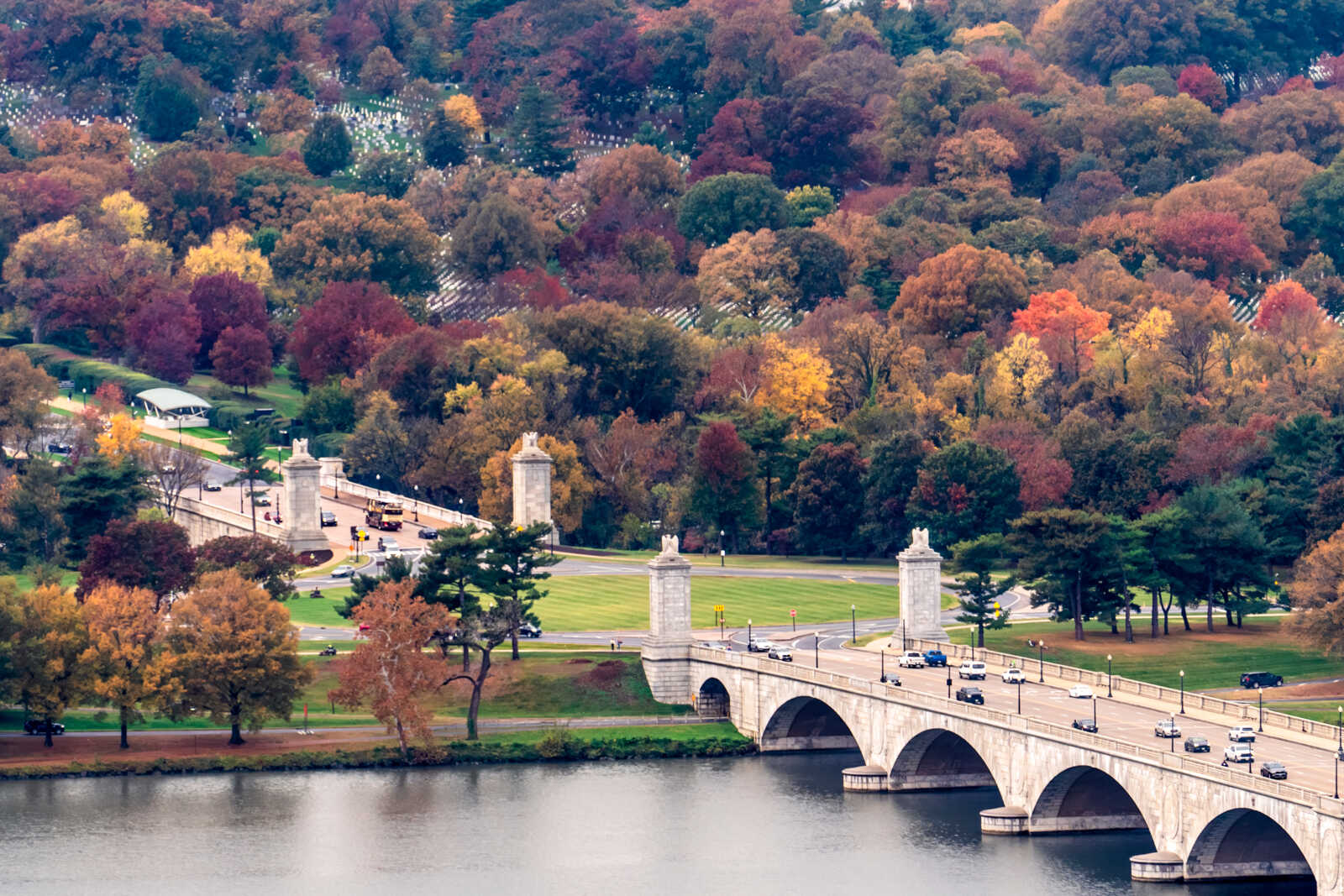
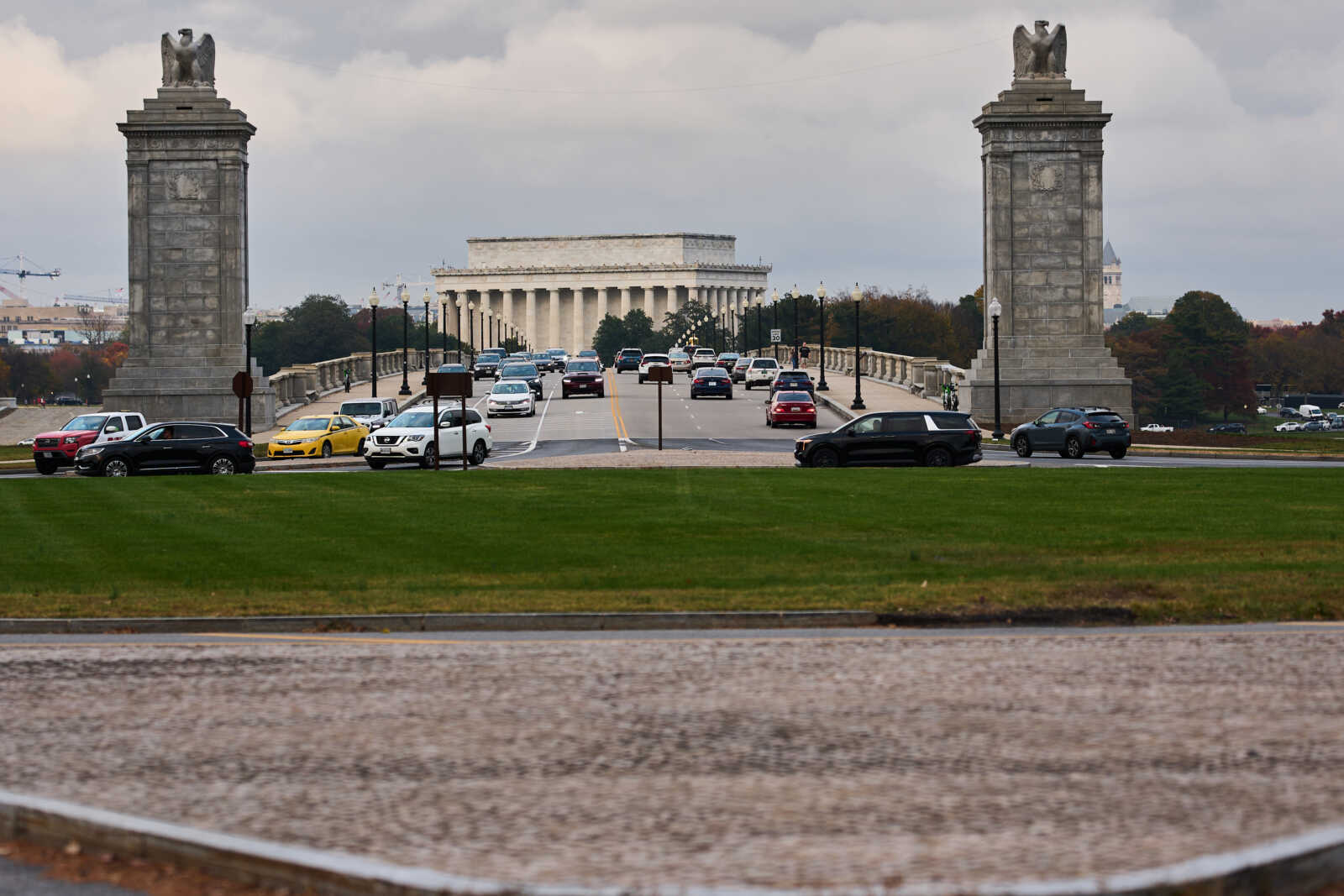
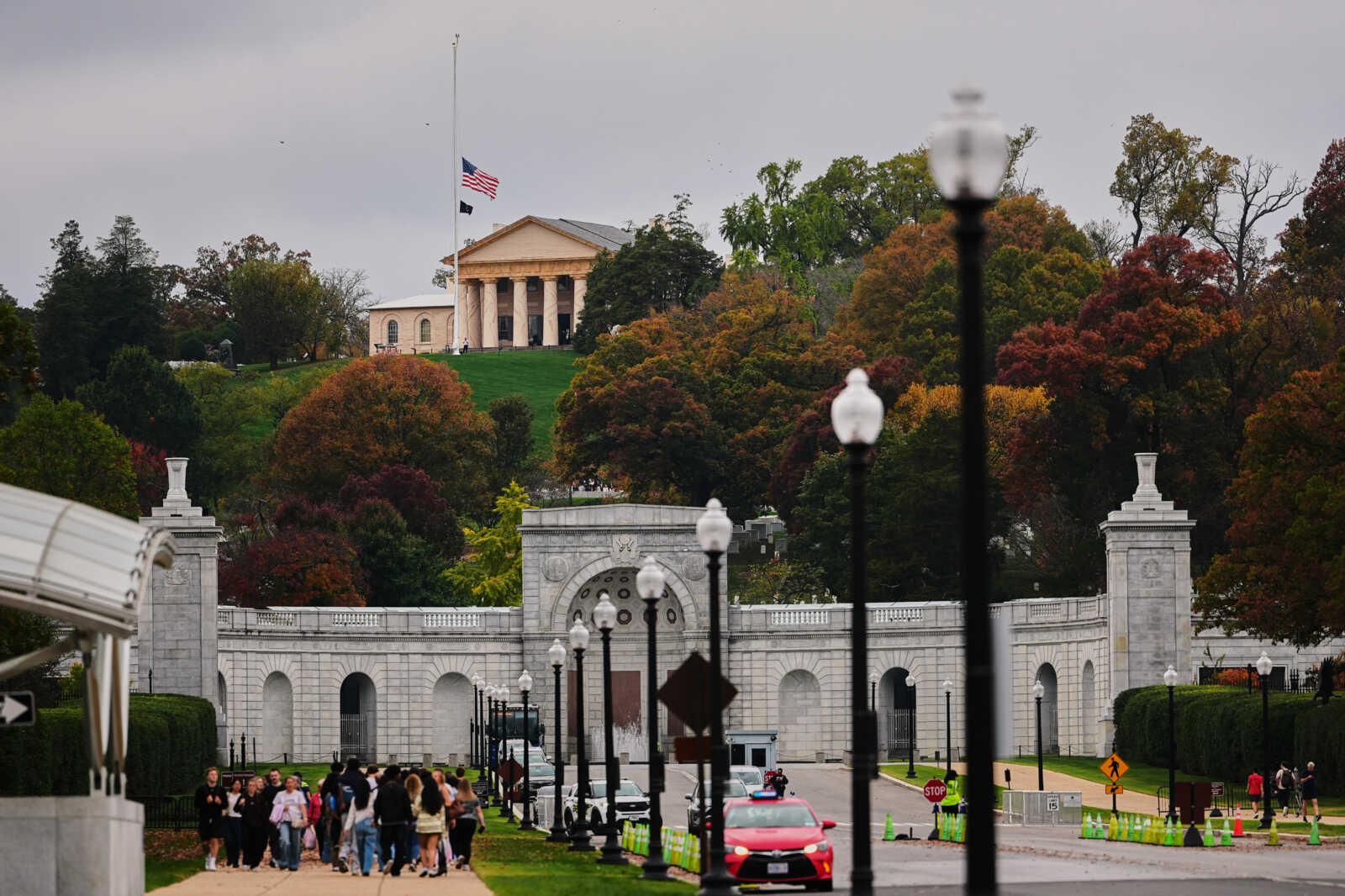
Opponents say the arch, planned for a traffic circle about half a mile from the cemetery’s main entrance, could literally shade gravesites, disrupt solemn visits with construction noise and alter the carefully designed historic landscape of the nation’s capital.
A Washington Post analysis last month found the arch’s shadow would touch burial sites in the cemetery on 284 days a year and pass over more than 75,000 graves.
Opponents also say the arch would break the alignment between the Lincoln Memorial, Memorial Bridge and Arlington House, the former home of Confederate Gen. Robert E. Lee, and with it the symbolism of a reunited North and South.
Behind the fences that line Memorial Drive is an active cemetery. More than 430,000 people are buried there, dozens more are added each week, and an estimated 3 million to 4 million people visit each year.
Jimi Shaughnessy, veterans program manager at the nonprofit National Parks Conservation Association, is a veteran who regularly visits his great-grandparents’ resting place.
“The setting is open, it’s quiet, it’s peaceful, it is easy to navigate,” he said. He said the space lets him transition “so I can properly acknowledge my great-grandfolks that are buried there.”
Shaughnessy said the sounds of major construction would intrude on those visits and on funerals. He said turning the arch into a tourist attraction would bring noise and distraction, along with a “looming dark shadow above me.”
Supporters say the arch completes a plan mandated by Congress in 1925 to add a monument to the circle.
“It was always supposed to be a gateway to connect D.C. to Arlington,” said Jared Craig, general counsel and national vice president for Veterans for America First. His group joined several veteran organizations in a brief supporting the arch. Craig said the arch honors veterans and fallen service members, does not affect the cemetery itself and requires no changes there.
Trump has pitched the arch as a tribute to veterans. White House spokesman Davis Ingle said it would serve “as a visual reminder of the noble sacrifices borne by so many American heroes throughout our 250 year history so we can enjoy our freedoms today.”

